
Explore the potential risks and challenges faced in analysis and demolition when not utilizing protective design. Neglecting protective design in demolition and analysis poses significant risks and challenges. Without it, the structural integrity of surrounding buildings can be compromised, leading to unintended collapses or damage. Unprotected demolition can also result in the release of hazardous materials, posing health risks to workers and nearby residents. Furthermore, the absence of a protective design increases the likelihood of accidents, injuries, and even fatalities. The lack of careful analysis before demolition can also lead to costly errors, such as the failure to identify critical load-bearing elements, resulting in unanticipated outcomes. Prioritizing protective design is essential for ensuring safety, preventing collateral damage, and minimizing risks during the demolition process.
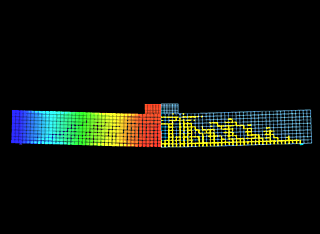
Risks of Inaccurate Forensic Analysis
Forensic engineering analysis is crucial for understanding the root causes of structural failures, often following major incidents. However, when this analysis is conducted without the aid of Design Software, the risks of inaccuracies increase significantly. Engineers relying on manual calculations and assessments are more susceptible to errors, which can lead to incorrect conclusions about the failure’s cause. Without advanced modeling tools, it becomes challenging to simulate various scenarios, leaving engineers with an incomplete picture of how the structure behaved under different conditions.
The Complexities of Demolition
Demolition is a highly complex process that demands precision and foresight. When planning without protective design tools, demolition experts must often depend on traditional methods, which may not adequately account for all potential risks. This limitation can lead to unforeseen structural collapses, putting workers and surrounding buildings in danger. Additionally, the absence of precise simulations hampers planners’ ability to predict the demolition’s outcome accurately, which could result in costly delays and safety hazards.
Limitations in Risk Mitigation
The integration of Software is vital for effective risk mitigation in both forensic engineering and demolition planning. This software enables engineers to model and analyze protective measures, such as blast-resistant designs, that could prevent structural damage during demolition or in unexpected events. Without such tools, the margin for error widens, making it harder to create safe and effective plans. The inability to foresee potential issues and mitigate risks efficiently increases the likelihood of project setbacks and safety concerns.
The Need for Advanced Software Solutions
In both analysis and planning, the absence of Protective Design Software poses significant challenges that can compromise the safety, accuracy, and efficiency of projects. Advanced software tools provide the necessary precision to avoid errors and ensure that engineers and planners can develop reliable, safe, cost-effective solutions. Embracing these tools is beneficial and necessary for achieving successful outcomes in these demanding fields.
Conclusion
Applied Science International (ASI) is a leader in forensic structural engineering, providing advanced software and services for demolition and protective design. Their innovative solutions help engineers and planners achieve safe, accurate, and efficient results in challenging projects. Trusted worldwide, their tools and expertise ensure reliability and precision in the most demanding engineering scenarios. Whether you need support in forensic analysis or demolition plan, they are here to meet your needs. Visit their website for more information:
 structural forensic engineering