
Designing safe and reliable structures requires combining advanced engineering techniques and a deep understanding of potential failure points. Forensic engineering analysis and performance-based structural design are two essential practices in this regard. These approaches are not just limited to creating resilient buildings but also play a crucial role in demolition engineering. A thoughtful combination of these practices ensures that structures are designed safely and can be safely dismantled when their lifecycle ends.
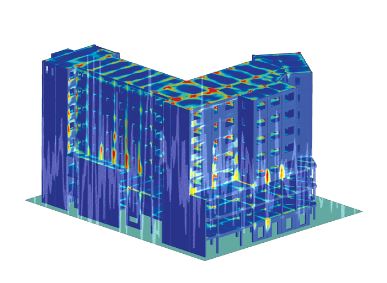
Forensic Engineering Analysis: Methods and Insights
Forensic engineering analysis is a scientific approach to investigating and understanding the causes of structural failures. This field goes beyond simply identifying why a building or structure has failed; it involves meticulous examination and data analysis to predict future vulnerabilities. Forensic engineers study the physical evidence of damage, such as cracks, deformations, or material degradation, to identify the root cause of failure. Understanding these failure points helps engineers develop safer designs and ensure that similar issues do not occur in future projects. In the context of demolition, forensic analysis aids in identifying potential weak points that could be leveraged for controlled and efficient demolition processes.
Performance-Driven Structural Design for Improved Safety
Performance-based structural design is a modern approach that focuses on meeting specific performance criteria rather than merely adhering to prescriptive codes and standards. This design methodology allows engineers to create structures that can better withstand environmental forces such as earthquakes, wind, and fire. By focusing on how a building performs under different conditions, this approach provides a flexible framework that can adapt to unique project requirements.
The Importance of Demolition Engineering
Demolition engineering is a specialized field that involves the safe and efficient dismantling of structures. It is more than just bringing down a building; it requires strategic planning, precise execution, and a thorough understanding of a structure’s integrity. By integrating forensic engineering insights and performance-based design principles, demolition engineers can develop strategies that minimize risks. They can predict how a structure will behave during demolition, ensuring that safety measures are in place to protect workers and the environment.
The Role of Forensic Analysis in Demolition Planning
Forensic analysis plays a vital role in demolition planning by providing critical information about a building’s current state. Before any demolition project begins, engineers conduct a forensic analysis to understand the structure’s weaknesses, strengths, and potential failure points. For example, understanding where a building is most likely to collapse can help engineers determine where to place explosive charges or where to start dismantling manually. By leveraging forensic engineering insights, demolition plans can be tailored to mitigate unforeseen risks and enhance safety.
Conclusion: A Unified Approach to Safe Design and Demolition
Combining forensic engineering analysis, performance-based structural design, and demolition engineering creates a holistic approach to structural safety. These methodologies do not work in isolation but complement each other to enhance the safety, efficiency, and sustainability of structures from design through demolition. Companies like Applied Science International are at the forefront of integrating these advanced engineering practices, ensuring that buildings are not only designed to perform optimally but can also be deconstructed safely when the time comes. Visit their website to know more.
 structural forensic engineering