
Every building responds to weight, movement, weather, and time in its own way. Before any major structural modification begins, engineers carefully study how a structure behaves under existing conditions. This step is essential to avoid unexpected damage and to ensure long-term safety. Structural analysis allows engineers to understand how forces move through a building and how changes may affect stability. Without proper evaluation, even small alterations can create serious risks.
Evaluating Existing Structural Conditions
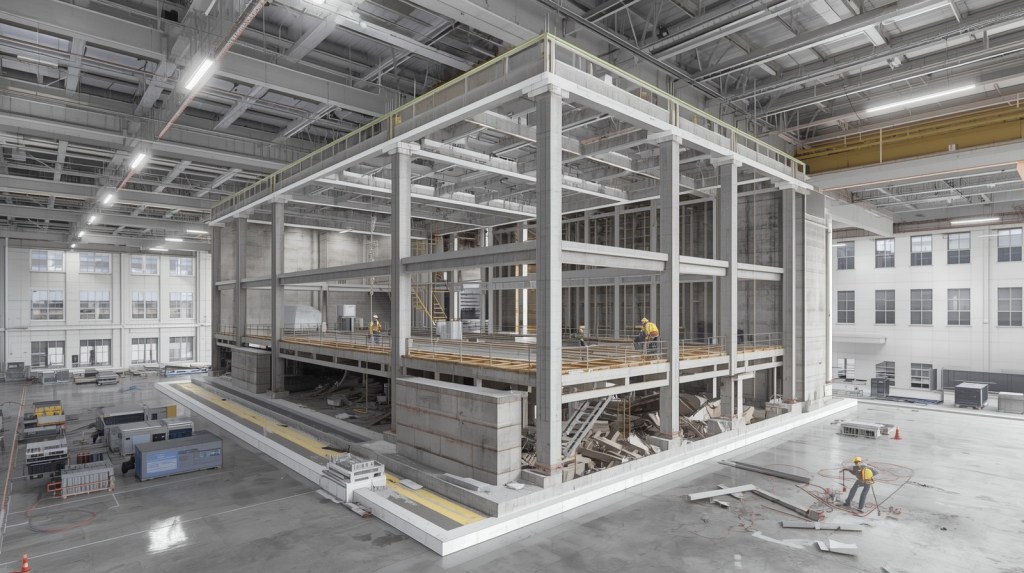
The process begins with a close review of the building’s current condition. Engineers examine design drawings, inspect materials, and observe how loads are transferred across columns, beams, and foundations. Visible signs such as cracks, settlement, or material wear provide valuable insight into structural health. During this phase, Demolition Analysis becomes especially important because it helps determine how removing or altering parts of a structure may impact overall stability. This step ensures that load redistribution is fully understood before any demolition or modification work begins.
Investigating Hidden Structural Concerns
Not all structural issues are visible to the eye. Some problems develop over time due to material fatigue, construction errors, or environmental exposure. Engineers use detailed investigative methods to identify these hidden risks. Structural Forensic Engineering plays an important role in understanding why damage occurred and how the structure has responded to stress over time. This type of analysis supports accurate diagnosis, helping engineers recommend corrective measures that improve safety and extend the life of the building.
Using Advanced Tools for Accurate Predictions
Modern structural evaluation depends heavily on digital analysis tools. These systems allow engineers to simulate loads, test design behavior, and review performance under different conditions. Cold Formed Steel Software is commonly used to analyze light-gauge steel structures, helping engineers confirm strength, stability, and compliance with design standards. Digital modeling reduces uncertainty, improves planning accuracy, and allows engineers to make informed decisions before any physical work begins.
Importance of Structural Analysis Before Modifications
A detailed understanding of building behavior helps prevent costly mistakes and structural failures. Proper analysis ensures that renovations, reinforcements, or expansions do not compromise safety. It also supports efficient planning by identifying risks early in the process. Engineers depend on accurate data and proven methods to ensure that every change aligns with engineering standards and long-term performance goals.
Conclusion
Clear analysis and accurate evaluation are essential for safe structural decision-making. At Applied Science, we apply proven engineering methods, detailed assessment techniques, and advanced digital tools to deliver reliable structural insights. Our team focuses on clarity, accuracy, and practical solutions that support confident planning and informed project execution.
Visit Applied Science today to learn how expert analysis can support the next stage of structural work with confidence and precision.
 structural forensic engineering