
A small error in structural calculations can lead to serious problems in construction projects. Engineers work with complex measurements, heavy materials, and strict safety standards. Accuracy is not just important; it is essential. Modern technology has made this process much easier and more reliable. Today, advanced design software helps engineers create detailed structural plans, check calculations, and reduce mistakes before construction even begins.
The Growing Need for Accurate Structural Design
Structural engineering projects involve many elements, such as load calculations, material strength, and building safety. Handling all these factors manually can take a lot of time and may increase the risk of human error. Design software helps solve this challenge by automating calculations and organizing structural data in one system.
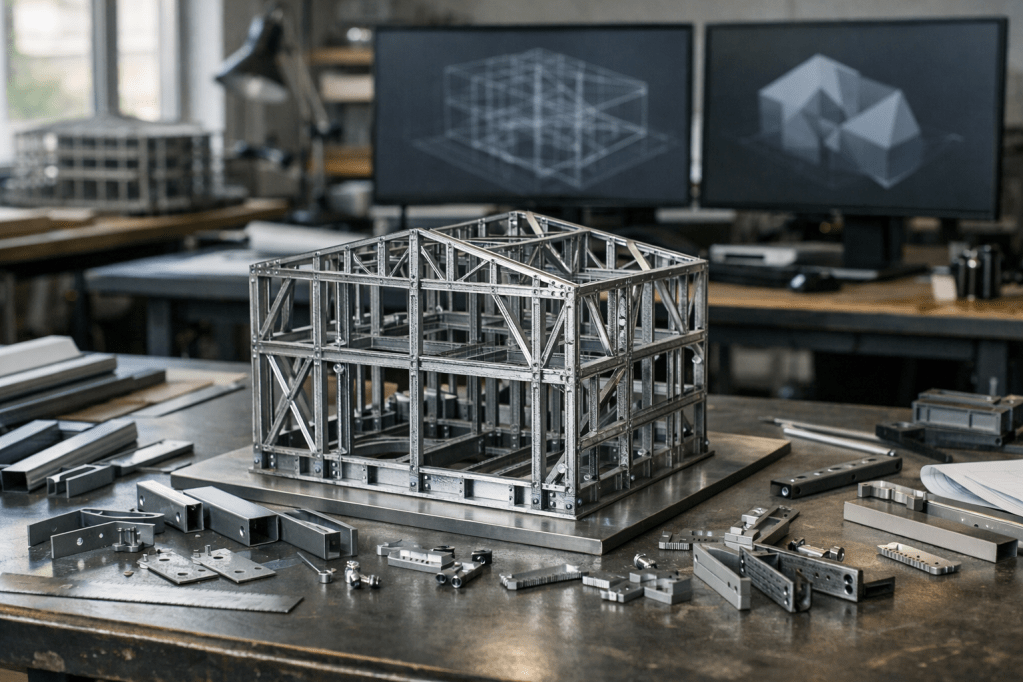
Using advanced Structural Design Software allows engineers to create precise digital models of buildings and structures. These models make it easier to analyze load distribution, stress points, and material performance. Instead of relying only on manual calculations, engineers can quickly test different design options and choose the most reliable solution. This improves accuracy and also speeds up the overall design process.
Improving Precision Through Automation
Automation is one of the biggest advantages of modern engineering tools. Software systems can run complex structural calculations within seconds while maintaining high accuracy. Engineers can focus more on design quality and problem solving rather than spending hours on repetitive calculations.
For projects that involve lightweight steel structures, engineers often depend on Cold Formed Steel Software to create detailed structural models. This type of software helps calculate member strength, connections, and load capacity with great precision. It also ensures that designs follow industry standards and engineering codes, which is very important for safety and compliance.
Supporting Safety and Compliance in Complex Projects
Structural engineering projects must follow strict safety regulations. Every component in a building must meet specific standards to ensure long-term stability and protection. Modern engineering tools support this process by providing built-in design checks and compliance verification.
For structures that require additional safety considerations, engineers may use Protective Design Software to evaluate different structural scenarios and improve resilience. This software helps analyze potential risks such as environmental loads or structural stress, allowing engineers to design safer and stronger structures.
Enhancing Collaboration and Project Efficiency
Another key benefit of design software is improved teamwork. Structural projects often involve multiple professionals such as architects, engineers, and construction managers. Software platforms allow teams to share models, update design data, and review structural details in real time.
This level of collaboration helps prevent misunderstandings between project teams. It also ensures that every design update is clearly documented and communicated. As a result, projects move forward more smoothly, and costly design revisions can be avoided.
Conclusion
Accurate structural design plays a major role in the safety and success of construction projects. Modern design tools help engineers reduce errors, improve calculations, and create reliable structural plans with greater confidence.At Applied Science, we provide advanced engineering solutions that support precise structural analysis and efficient project design. Explore our innovative software solutions to improve accuracy and help deliver stronger, smarter structural designs for every project.
 structural forensic engineering