
When buildings collapse, bridges crack, or structures show signs of unexpected distress, experts are called in to find out why. This is where Forensic Structural Engineering plays a critical role. It’s not just about fixing the problem—it’s about understanding what went wrong and preventing similar issues in the future.
What is Forensic Structural Engineering?
Forensic Structural Engineering is a specialized branch of structural engineering focused on investigating and analyzing failures in buildings and other structures. Whether it’s a complete collapse or minor cracking, forensic engineers examine the evidence, determine the root cause, and provide recommendations.
This field combines engineering principles with detective work. Forensic structural engineers often act like investigators, collecting physical evidence, reviewing design documents, and conducting simulations to reconstruct the events leading up to a failure.
Why is it Important?
Failures in structures can lead to injury, financial loss, and even fatalities. Understanding the cause is essential for legal accountability, insurance claims, and most importantly, public safety. Forensic Structural Engineering ensures that the lessons from one failure are used to strengthen future designs and construction practices.
This discipline also helps in identifying construction defects, design flaws, material issues, or even external factors like natural disasters that contribute to a failure.
Common Cases Handled by Forensic Structural Engineers
- Building collapses due to design errors
- Structural issues from natural disasters like earthquakes or hurricanes
- Foundation problems due to soil movement or poor construction
- Material degradation such as corrosion or concrete spalling
- Roof or wall failures due to overloading or poor maintenance
Each case requires a thorough inspection, testing, and sometimes, expert testimony in court.
The Process of Investigation
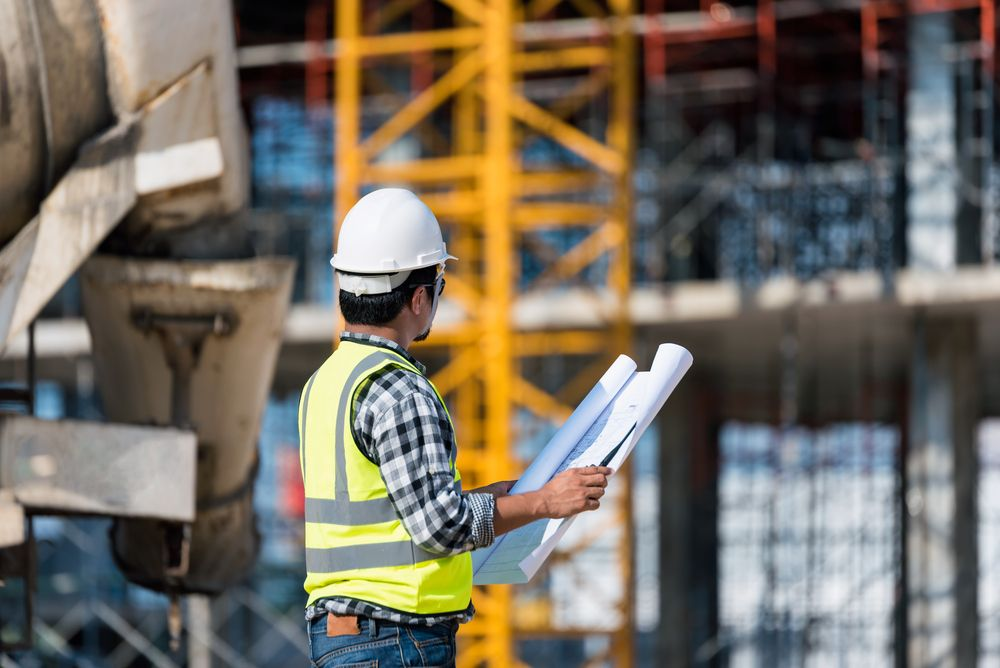
- Site Inspection: The first step is visiting the site to gather visual and physical evidence.
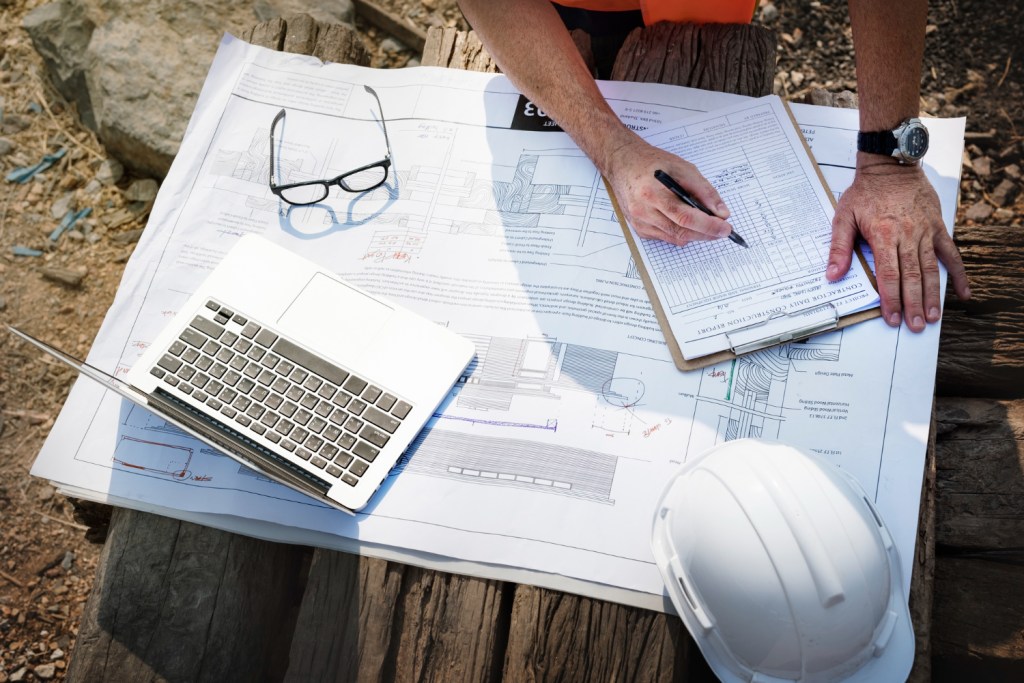
- Document Review: Engineers study original blueprints, design calculations, and construction records.
- Testing and Analysis: Materials are tested, and computer models may be used to simulate the failure.
- Reporting: A detailed report outlines the findings and suggests repairs or preventive measures.
Conclusion
Forensic Structural Engineering is vital in understanding structural failures and preventing them in the future. It bridges the gap between engineering science and real-world safety, ensuring that structures not only stand tall but stand the test of time. When something goes wrong, these experts help us learn, rebuild, and improve.






 structural forensic engineering