
Forensic engineering is a specialized field that focuses on investigating the causes of failures in structures, systems, or components. This discipline combines engineering expertise with investigative techniques to determine what went wrong and why, which can be crucial for legal, safety, or insurance purposes. Among the professionals working in this space, Demolition Engineers and Structural Forensic Engineers play particularly important roles.

The Role of a Demolition Engineer
A Demolition Engineer is a professional who designs and manages the safe and efficient demolition of buildings and structures. Their job extends beyond simply tearing down old buildings; they ensure that the demolition process is executed safely, considering factors such as structural integrity, surrounding environment, and environmental impacts. In forensic investigations, Demolition Engineers are often called upon to assess the reason behind a structure’s collapse, failure, or significant damage.
For example, if a building was demolished or collapsed unexpectedly, a Demolition Engineer might be tasked with evaluating whether the demolition was executed correctly or if structural failures were to blame. They inspect demolition techniques, the timing of the destruction, and whether the structure’s design or materials contributed to the incident. In many cases, they collaborate closely with Structural Forensic Engineers to uncover the full picture.
Structural Forensic Engineering: A Deeper Dive
Structural Forensic Engineering focuses on understanding the behavior and failure modes of structures after incidents such as collapses, cracks, or leaks. Structural Forensic Engineers use their expertise in materials science, structural analysis, and construction practices to investigate the cause of damage or failure. This often involves analyzing construction flaws, design issues, weather-related events, or improper maintenance.
When a building suffers from significant damage, Structural Forensic Engineers are often called upon to determine whether the failure was due to design flaws, material weaknesses, or unforeseen external forces. Their investigations help identify if the building met the necessary engineering standards and if the proper codes were followed during construction.
Forensic engineering, particularly when dealing with structural issues, also requires the ability to communicate complex technical findings in clear terms, especially when the investigation results are used in court cases or insurance claims.
The Intersection of Demolition and Forensic Engineering
In many cases, the work of Demolition Engineers and Structural Forensic Engineers intersects. Both professionals need to understand the underlying causes of structural issues and collaborate to ensure that safety and compliance are always prioritized. While a Demolition Engineer may be focused on the safe removal of a structure, a Structural Forensic Engineer works to uncover what led to its failure or deterioration.
Together, these two branches of forensic engineering help to ensure that future projects are built with the lessons learned from past mistakes, leading to safer and more resilient structures.



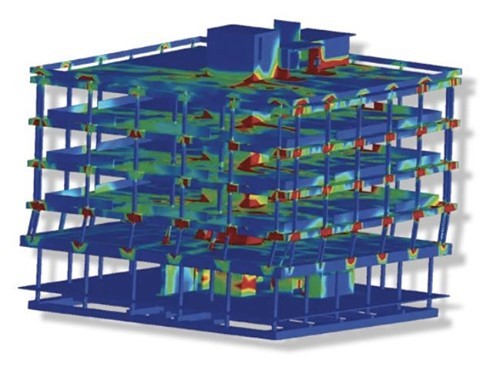

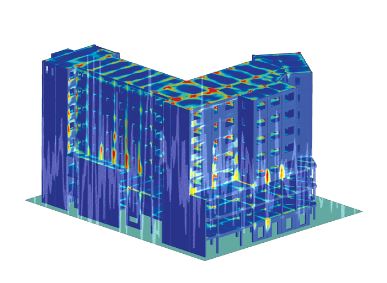



 structural forensic engineering