How Digital Tools Improve Forensic Engineering Analysis and Reports?

A broken structure always raises serious questions. Answers must come from facts, not guesses. We depend on digital tools to study damage, track events, and explain results in a clear way. Our daily work shows how modern technology brings order to complex cases and supports sound judgment from start to finish.

Smarter Site Reviews With Digital Methods

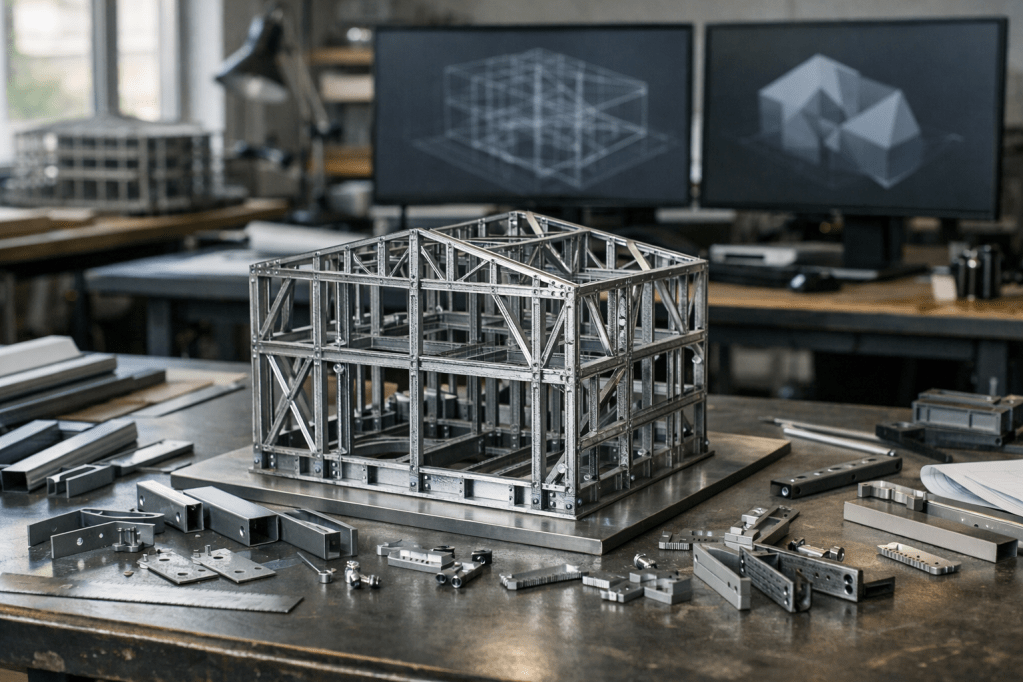
Field notes and photos still matter, yet digital records add clarity and speed. We capture measurements, material details, and load paths using precise tools. This approach helps rebuild events in a controlled space. During projects involving a Demolition Engineer, our team reviews digital layouts, past drawings, and load data to understand failure paths before removal steps begin. This process supports safer planning and lowers risk during sensitive work.

Deeper Insight Into Failure Behavior

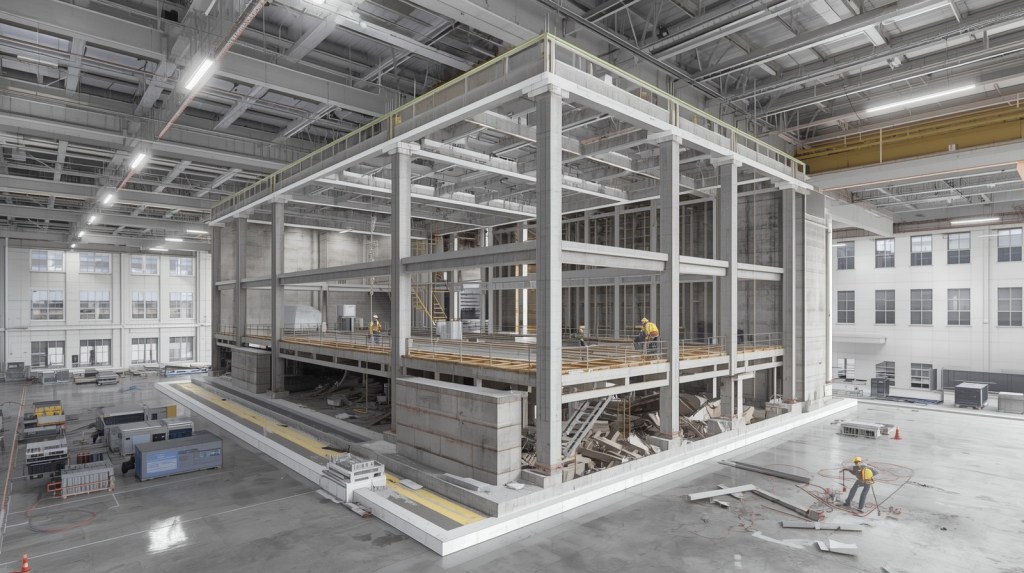
Understanding the cause remains the core of every investigation. We recreate sequences using models and simulations to test forces and responses. Our Forensic Engineering Analysis uses verified inputs, realistic loads, and material behavior to compare expected performance with observed damage. Visual results support clear explanations for owners, insurers, and legal teams without relying on assumptions.

Clear, Consistent Reporting

Strong reports depend on accuracy and clarity. Digital tools help present findings in a simple form using visuals, timelines, and models. With Structural Design Software, calculations, drawings, and checks stay aligned across every section. Readers follow the logic step by step, even without technical training. This clarity improves trust and reduces follow-up questions.

Faster Decisions Backed by Reliable Evidence

Project timelines often depend on quick yet careful conclusions. We use digital workflows to review information faster while keeping every detail checked. Data sets, test results, and visual records stay organized in one place. This allows our team to confirm findings without delay and helps other parties act with confidence. Repairs, planning, and discussions move forward smoothly when evidence is clear and well documented.

Long-Term Value Through Record Keeping

Digital tools also support long-term reference and learning. We store models, reports, and supporting data in secure systems that allow easy access later. Past cases help refine future studies and improve accuracy over time. This record-based approach supports consistent methods and helps maintain quality across different projects. Clients benefit from reports that remain useful even years after completion, especially during reviews or follow-up work.

Better Team Coordination

Digital platforms support smooth collaboration. Our engineers share models and findings across disciplines using common data. Everyone works from the same view, which avoids confusion and keeps results consistent with site conditions and tested behavior. This shared process strengthens outcomes and keeps communication clear.

Conclusion

Digital tools bring focus, speed, and confidence to forensic engineering work. We turn complex failures into clear findings using proven methods and practical insight.
Applied Science delivers trusted technical reviews and clear reports using modern tools and experienced teams. Visit Applied Science today to see how our expertise can support the next project with confidence.

How Modern Software Makes Construction Work Safer and Smarter?

Construction work has improved greatly with digital tools that support safe planning and smart decisions. Many teams now use software to study project conditions before any work begins. With Demolition Analysis, engineers can view possible risks on the screen and prepare safer steps for controlled removal.

Steel structure planning also becomes easier with digital programs. Builders often depend on Cold Formed Steel Software to design clean steel layouts that match project needs. This reduces errors, saves time, and helps teams focus on quality work without confusion.

For deeper building checks, engineers use Structural Analysis Engineering Software. This tool helps them understand how structures react to weight, wind, and pressure. With these insights, they can select better design options and avoid future issues. These software tools support safe work, steady planning, and better site decisions. Read the full blog for more information: https://appliedscienceint09.medium.com/how-modern-software-makes-construction-work-safer-and-smarter-e4933cb46420

How Advanced Simulation is Changing Demolition Engineering for Complex Structures?

There comes a moment in engineering when old methods just are not enough. Buildings today are bigger, heavier, and more detailed. Bringing them down safely takes careful study, not guesswork. This is where modern simulation has changed how we plan, test, and control demolition for challenging structures.

Smarter Methods for Safe Demolition

In earlier years, engineers depended mostly on experience and manual planning. But modern structures need a deeper look before any action takes place. That is why we use Demolition Engineering supported by digital models. We can test collapse patterns, predict risks, and prepare every step before a single wall comes down. This gives us confidence and helps avoid surprises during real demolition work.

Better Planning with Real Behavior Data

Old design standards focused only on minimum safety codes, but now we work based on how a building truly behaves under stress. With Performance Based Structural Design, we study every response—whether it is from a blast, earthquake, or controlled failure. Instead of using only fixed values, we plan based on behavior. This gives us control, safety, and clear understanding from start to end.

Technology that Supports Every Decision

Advanced software has completely changed the way we study structures. Using Structural Analysis Engineering Software, we can model a building in digital form before touching the real one. These tools show stress points, load paths, and failure sequences with high accuracy. That lets us pick the safest method, the right timing, and the best outcome. It also saves time and avoids mistakes that once caused cost and safety issues.

The Real Value of Simulation

These changes are not only for convenience—they protect life and property. They help us remove buildings in a controlled way without risk to workers or the surroundings. We also save useful materials, make better decisions, and reduce project delays. What used to depend on guesswork is now guided by proof and repeatable science.

Conclusion

Modern engineering demands clear logic, planning, and technology that supports every step. At Applied Science, we stand at the front of this change by using simulation and strong engineering methods for both construction and demolition. Our approach gives better safety, better control, and better results for every structure we handle.

Want safe planning for your next project? Talk to Applied Science today and let us guide your demolition or design work with care and expertise.

Why Should a Demolition Engineer Involve Simulation Software Before Planning an Implosion?

Before a demolition begins, a Demolition Engineer uses simulation software to plan and study how a building will react once explosives are placed. This digital testing helps predict possible issues and ensures the building falls as planned. It’s a smart way to make the demolition process safer and well-organized.

Protective Design Services also play a major role in ensuring safety. They help engineers design strong barriers and secure zones around the demolition site. With this support, teams can protect nearby areas and follow safety standards with care and accuracy.

After a project is completed, a Forensic Engineering Analysis helps study how the structure behaved during the demolition. These findings help improve future plans and make every demolition more reliable and safe. Read the full blog for more information: https://appliedscienceint.blogspot.com/2025/11/why-should-demolition-engineer-involve.html

How Engineers Use Structural Analysis to Plan Safe and Controlled Demolitions

Demolition work is not about destruction — it’s about safe and planned removal. Engineers start with Demolition Planning, which helps them decide how, when, and where to bring a building down. Each stage is planned with care to protect people, equipment, and nearby structures.

Before the work begins, Forensic Structural Engineering helps experts find the cause of cracks, damage, or weak spots in the building. This knowledge allows them to handle the demolition safely and learn from older structures. It also supports better decisions for future designs.

Technology adds even more support through Structural Design Software, which allows engineers to test ideas before taking real action. They can see how the structure will behave and choose the safest method for the job. To understand how engineers combine skill and safety, read the full blog for more information: https://appliedscienceint09.medium.com/how-engineers-use-structural-analysis-to-plan-safe-and-controlled-demolitions-369cadd02307 

Advanced Structural Analysis Software: A Game Changer for Engineers

Engineering is all about solving problems and making structures safe and strong. Today, new technology is helping engineers work faster and smarter. Advanced software tools are becoming essential for modern projects. Among these, structural analysis software is changing the way engineers design, check, and manage construction and demolition projects.

Making Demolition Engineering Safer

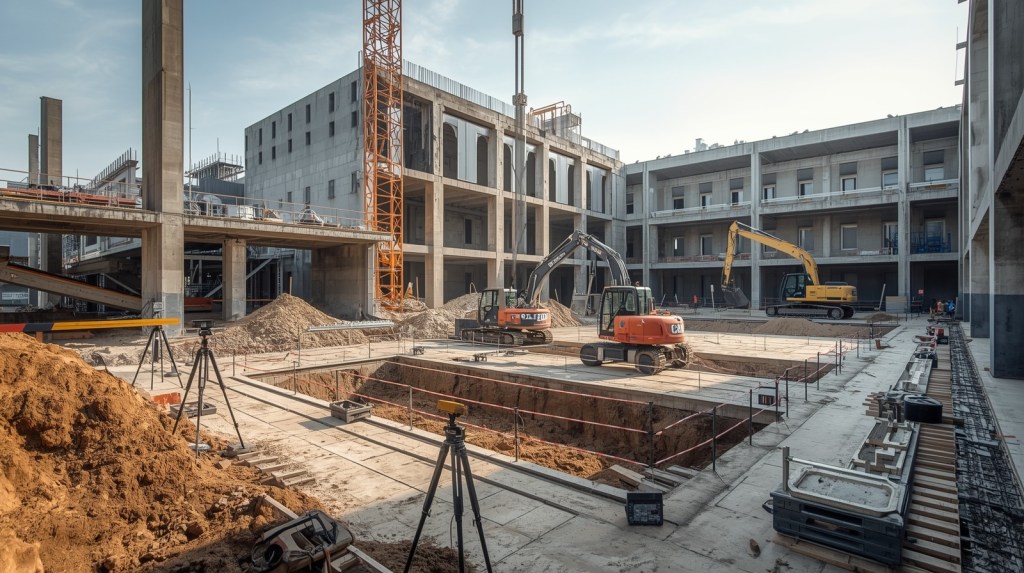
Demolition engineering is a tricky job. Every building has its own strengths and weaknesses, and taking it down safely can be difficult. Advanced software lets engineers create digital models of structures and test how they will behave during demolition. This helps us see potential risks and plan the process carefully. Using these tools makes demolition safer for workers and the surrounding area while saving time and reducing mistakes.

Supporting Structural Forensic Engineering

When a structure fails, understanding why is very important. Structural forensic engineering studies these failures to prevent them in the future. Software helps engineers simulate stress and load on buildings and materials. This allows us to find weak spots, spot design issues, and give advice to improve safety. With these insights, engineers can provide better reports and make buildings safer for everyone.

Working with Structural Analysis Engineering Software

Structural analysis engineering software helps engineers design and test structures on a computer. We can check how a building will react to earthquakes, strong winds, or other pressures before it is built. This reduces mistakes, saves time, and helps us make better decisions. Testing designs digitally also makes projects more efficient and reduces costs.

Conclusion

At Applied Science, we provide engineers with tools to handle demolition engineering, structural forensic engineering, and structural analysis engineering software. Our goal is to make engineering work safer, faster, and easier.
Check out Applied Science today to see how our tools can help your projects succeed. Work with us for smarter engineering solutions and more accurate results.

Modern Structural Engineering: Tools and Techniques That Matter

In the ever-evolving world of civil and structural engineering, precision, safety, and innovation are paramount. Three critical components—Demolition Analysis, Forensic Structural Engineering, and Structural Design Software—are transforming how engineers approach both new builds and existing structures.

Demolition Analysis: Planning Safe and Efficient Deconstruction

Demolition is more than just tearing down buildings; it’s a science that demands accuracy and foresight. Demolition Analysis involves the strategic planning and modeling of how a structure should be dismantled. This analysis ensures that demolition activities do not compromise surrounding buildings, infrastructure, or the environment.

Using advanced modeling tools, engineers simulate different demolition scenarios to predict the structural behavior during deconstruction. Proper Demolition Analysis minimizes risks, controls debris impact, and reduces project costs by optimizing resource use and scheduling.

Forensic Structural Engineering: Investigating Failures and Preventing Future Risks

When structures fail or show signs of distress, Forensic Structural Engineering steps in. This specialized discipline focuses on determining the root causes of structural issues, whether due to design flaws, material defects, natural disasters, or human error.

Forensic Structural Engineering combines engineering principles with investigative techniques to uncover how and why a failure occurred. The findings not only support legal and insurance claims but also lead to design improvements, ensuring future structures are safer and more resilient.

Structural Design Software: The Backbone of Modern Engineering

In today’s fast-paced construction industry, precision is everything. Structural Design Software has become an indispensable tool for engineers, enabling them to model, test, and refine structures virtually before physical construction begins.

These software solutions enhance productivity by automating calculations, detecting errors early in the design phase, and allowing seamless collaboration between teams. Whether it’s for designing new buildings or evaluating old ones, Structural Design Software helps engineers adhere to codes, optimize material use, and improve overall project efficiency.

Conclusion

The integration of Demolition Analysis, Forensic Structural Engineering, and Structural Design Software is reshaping how we approach the built environment. From understanding failures to planning complex demolitions and designing the structures of tomorrow, these tools and techniques are key to safer, smarter engineering practices. As the industry continues to advance, embracing these innovations will be crucial for engineers and developers committed to quality and sustainability.

Shaping Safer Structures with Applied Science: Inside Modern Engineering Practices

In today’s rapidly evolving construction landscape, the safety and integrity of structures are more important than ever. Behind every successful project lies the expertise of specialized engineers who ensure that buildings are not only functional but also safe, resilient, and sustainable. From dismantling old structures to designing new-age skyscrapers, different engineering disciplines work together to shape our built environment.

Precision and Planning in Structural Removal

Before any new construction can begin, existing structures often need to be cleared with precision and care. This is where a Demolition Engineer plays a critical role. These professionals don’t just tear things down—they use detailed structural analysis and planning to ensure that buildings are demolished safely and efficiently, minimizing risk to surrounding areas. With urban spaces becoming denser, their expertise has become indispensable for city redevelopment projects.

Designing for Real-World Challenges

Traditional structural design methods often assume ideal conditions, but real-world environments are far from perfect. That’s why modern engineers increasingly rely on Performance Based Structural Design. This approach focuses on how a structure will actually perform during events like earthquakes, fires, or heavy winds, rather than just meeting code requirements. It allows for more flexibility in materials and design, while prioritizing the safety and functionality of the building under extreme conditions.

Investigating the Cause Behind Failures

Not all structural failures are immediately visible. When something goes wrong—whether it’s a minor crack or a major collapse—engineers step in to find out why. This is the realm of Structural Forensic Engineering, a field that investigates building failures to uncover the root causes. These investigations are crucial not only for resolving current issues but also for preventing similar failures in future projects. The findings often lead to improved safety standards and innovations in building practices.

Conclusion

From safe demolition to forward-thinking design and forensic analysis, engineering continues to evolve to meet the demands of modern construction. Each specialized role contributes uniquely to the lifecycle of a structure, ensuring that our cities remain safe, efficient, and sustainable. Whether you’re building from the ground up or analyzing the past to build a better future, the work of these engineers is the foundation upon which our urban environments stand.

How Structural Engineers Plan Complex Demolition Projects

Modern technology has changed how structural engineers approach risky demolition projects. One important advancement is the use of protective design software, which helps simulate how a building will respond to demolition activities. Engineers can test various methods before actual work starts, which reduces risk and protects nearby structures from damage caused by vibrations or falling debris. It makes the job safer and smarter.

Another important part of demolition is learning from the past. This is where forensic engineering analysis plays a major role. When something goes wrong with a structure or an unexpected failure occurs, engineers study the cause in detail. This helps improve future planning and avoids repeating the same mistakes. Together, technology and experience ensure every step of demolition is controlled and safe. Read the full blog for more information. https://appliedscienceint.blogspot.com/2025/08/how-structural-engineers-plan-complex.html 

Forensic Structural Engineering: Investigating Failures

When buildings collapse, bridges crack, or structures show signs of unexpected distress, experts are called in to find out why. This is where Forensic Structural Engineering plays a critical role. It’s not just about fixing the problem—it’s about understanding what went wrong and preventing similar issues in the future.

What is Forensic Structural Engineering?

Forensic Structural Engineering is a specialized branch of structural engineering focused on investigating and analyzing failures in buildings and other structures. Whether it’s a complete collapse or minor cracking, forensic engineers examine the evidence, determine the root cause, and provide recommendations.

This field combines engineering principles with detective work. Forensic structural engineers often act like investigators, collecting physical evidence, reviewing design documents, and conducting simulations to reconstruct the events leading up to a failure.

Why is it Important?

Failures in structures can lead to injury, financial loss, and even fatalities. Understanding the cause is essential for legal accountability, insurance claims, and most importantly, public safety. Forensic Structural Engineering ensures that the lessons from one failure are used to strengthen future designs and construction practices.

This discipline also helps in identifying construction defects, design flaws, material issues, or even external factors like natural disasters that contribute to a failure.

Common Cases Handled by Forensic Structural Engineers

  • Building collapses due to design errors
  • Structural issues from natural disasters like earthquakes or hurricanes
  • Foundation problems due to soil movement or poor construction
  • Material degradation such as corrosion or concrete spalling
  • Roof or wall failures due to overloading or poor maintenance

Each case requires a thorough inspection, testing, and sometimes, expert testimony in court.

The Process of Investigation

  1. Site Inspection: The first step is visiting the site to gather visual and physical evidence.
  2. Document Review: Engineers study original blueprints, design calculations, and construction records.
  3. Testing and Analysis: Materials are tested, and computer models may be used to simulate the failure.
  4. Reporting: A detailed report outlines the findings and suggests repairs or preventive measures.

Conclusion

Forensic Structural Engineering is vital in understanding structural failures and preventing them in the future. It bridges the gap between engineering science and real-world safety, ensuring that structures not only stand tall but stand the test of time. When something goes wrong, these experts help us learn, rebuild, and improve.