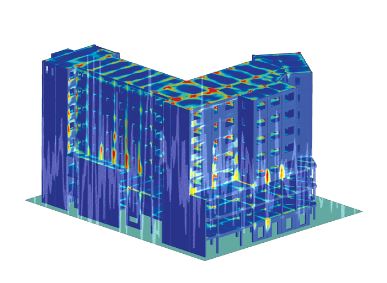
Exploring the Role of Applied Science in Engineering with Protective Design and Cold Formed Steel Software

In today’s rapidly advancing technological world, applied science has become the cornerstone of many industries, helping to develop more efficient and reliable systems. One area where applied science plays a critical role is in the field of engineering, where software tools are used to enhance the design and safety of various structures. Among these software tools, Protective Design Software and Cold Formed Steel Software stand out for their ability to improve both safety and performance in construction and infrastructure projects.

The Importance of Applied Science in Engineering

Applied science is the practical application of scientific knowledge to solve real-world problems. In engineering, it bridges the gap between theory and practice, enabling professionals to develop solutions that are both effective and safe. Software tools play a pivotal role in this process, offering engineers the ability to simulate complex scenarios and make data-driven decisions that would be difficult or costly to achieve using traditional methods.

Understanding Protective Design Software

Protective Design Software focuses on ensuring the structural integrity and safety of buildings, bridges, and other critical infrastructures. This software allows engineers to model and simulate how structures will react to various forces, including environmental factors such as wind, seismic activity, and even potential blast scenarios.

How Protective Design Software Works

By integrating advanced algorithms and real-time data, protective design software aids engineers in optimizing the design to minimize the risk of failure. It also allows for testing multiple design variations in a virtual environment, reducing the need for costly physical testing and ensuring a higher level of safety. This software is crucial for enhancing disaster resilience and improving public safety.

The Role of Cold Formed Steel Software in Modern Construction

Cold Formed Steel Software plays an essential role in the design and analysis of steel structures that use cold-formed steel. Cold-formed steel (CFS) is a widely used material in modern construction due to its high strength-to-weight ratio, cost-effectiveness, and flexibility. However, designing with cold-formed steel can present unique challenges due to its susceptibility to local buckling and its need for precise calculations to ensure strength and stability.

Benefits of Using Cold Formed Steel Software

Cold Formed Steel Software helps engineers overcome these challenges by providing tools for precise analysis, including load distribution, stability under pressure, and the material’s behavior under various stresses. It simplifies complex calculations, making it easier to optimize the use of cold-formed steel in designs such as light-frame buildings, walls, and roofing systems. This software reduces the risk of errors, ensures compliance with building codes, and leads to more sustainable and cost-effective solutions in construction.

Enhancing Safety, Performance, and Efficiency with Software Tools

Both Protective Design Software and Cold Formed Steel Software are prime examples of how applied science has revolutionized the engineering field. These tools provide engineers with the ability to simulate and analyze complex scenarios that would be time-consuming or impossible to replicate through traditional methods. They enhance both the safety and performance of structures while reducing costs and timeframes for projects.

Conclusion: The Future of Engineering with Applied Science

In conclusion, the integration of Protective Design Software and Cold Formed Steel Software into modern engineering practices highlights the critical role of applied science in shaping the future of construction. By leveraging the power of software tools, engineers can create safer, more durable, and cost-efficient structures that meet the demands of our ever-changing world. These innovations not only push the boundaries of what is possible but also ensure that the built environment remains resilient and sustainable.
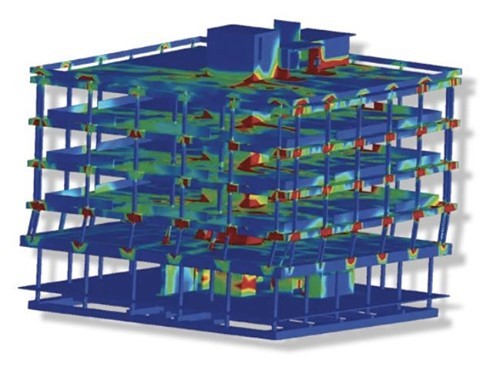

From Design to Demolition: How Protective Design and Forensic Structural Engineering Shape Safer Building Practices

Protective design software focuses on ensuring that buildings can withstand potential hazards such as explosions, natural disasters, or other unexpected events. With the help of advanced software, engineers can simulate real-world threats to see how a structure would respond under stress. This allows them to design buildings that are not only functional but also highly resilient.

When a building reaches the end of its useful life, careful demolition planning is essential to ensure that it comes down in a controlled and safe manner. Demolition is far more than just knocking down walls—it requires detailed planning and analysis to avoid unintended damage to surrounding structures and ensure the safety of workers and the public.

Forensic structural engineering is the process of investigating structural failures to understand why and how they occurred. This discipline plays a key role in preventing future failures, as it helps engineers identify design flaws, material weaknesses, or construction errors that could compromise the safety of future buildings. For more information check out Applied Science International’s latest blog – https://appliedscienceint09.medium.com/from-design-to-demolition-how-protective-design-and-forensic-structural-engineering-shape-safer-32075545f90f 

The Role of Forensic Analysis in Steel Structures: Leveraging Structural Analysis Software

Steel structures are widely used in modern construction due to their strength, durability, and cost-effectiveness. Forensic engineering analysis is the process of investigating structural failures or performance issues in buildings and other construction elements. It involves examining materials, design, and construction practices to identify weaknesses or flaws that could lead to failures.

Structural analysis engineering software is one of the most powerful tools. This technology allows engineers to create detailed models of a structure and simulate various forces or loads that the building may experience. For cold-formed steel structures, structural analysis software is particularly useful in identifying potential weak points, verifying design accuracy, and assessing how the structure will behave under real-world conditions.

Dedicated cold-formed steel software plays an essential role in both design and forensic analysis. This type of software is specifically developed to handle the unique properties and behaviors of cold-formed steel, helping engineers accurately predict how the material will perform in a variety of scenarios. For more information read this article – https://appliedscienceint.hashnode.dev/the-role-of-forensic-analysis-in-steel-structures-leveraging-structural-analysis-software 

Designing for Safety: How Forensic Analysis and Performance-Based Approaches Influence Demolition

Designing safe and reliable structures requires combining advanced engineering techniques and a deep understanding of potential failure points. Forensic engineering analysis and performance-based structural design are two essential practices in this regard. These approaches are not just limited to creating resilient buildings but also play a crucial role in demolition engineering. A thoughtful combination of these practices ensures that structures are designed safely and can be safely dismantled when their lifecycle ends. 

Forensic Engineering Analysis: Methods and Insights

Forensic engineering analysis is a scientific approach to investigating and understanding the causes of structural failures. This field goes beyond simply identifying why a building or structure has failed; it involves meticulous examination and data analysis to predict future vulnerabilities. Forensic engineers study the physical evidence of damage, such as cracks, deformations, or material degradation, to identify the root cause of failure. Understanding these failure points helps engineers develop safer designs and ensure that similar issues do not occur in future projects. In the context of demolition, forensic analysis aids in identifying potential weak points that could be leveraged for controlled and efficient demolition processes.

Performance-Driven Structural Design for Improved Safety

Performance-based structural design is a modern approach that focuses on meeting specific performance criteria rather than merely adhering to prescriptive codes and standards. This design methodology allows engineers to create structures that can better withstand environmental forces such as earthquakes, wind, and fire. By focusing on how a building performs under different conditions, this approach provides a flexible framework that can adapt to unique project requirements.

The Importance of Demolition Engineering

Demolition engineering is a specialized field that involves the safe and efficient dismantling of structures. It is more than just bringing down a building; it requires strategic planning, precise execution, and a thorough understanding of a structure’s integrity. By integrating forensic engineering insights and performance-based design principles, demolition engineers can develop strategies that minimize risks. They can predict how a structure will behave during demolition, ensuring that safety measures are in place to protect workers and the environment.

The Role of Forensic Analysis in Demolition Planning

Forensic analysis plays a vital role in demolition planning by providing critical information about a building’s current state. Before any demolition project begins, engineers conduct a forensic analysis to understand the structure’s weaknesses, strengths, and potential failure points. For example, understanding where a building is most likely to collapse can help engineers determine where to place explosive charges or where to start dismantling manually. By leveraging forensic engineering insights, demolition plans can be tailored to mitigate unforeseen risks and enhance safety.

Conclusion: A Unified Approach to Safe Design and Demolition

Combining forensic engineering analysis, performance-based structural design, and demolition engineering creates a holistic approach to structural safety. These methodologies do not work in isolation but complement each other to enhance the safety, efficiency, and sustainability of structures from design through demolition. Companies like Applied Science International are at the forefront of integrating these advanced engineering practices, ensuring that buildings are not only designed to perform optimally but can also be deconstructed safely when the time comes. Visit their website to know more. 

Explore the advancements in demolition methods and equipment that have transformed the industry

Demolition has come a long way from its traditional methods, evolving into a sophisticated field driven by technological advancements. Today, the industry boasts an array of modern techniques and cutting-edge equipment that enhance efficiency and safety. One of the significant leaps forward is the integration of advanced demolition engineering practices.

Innovations in Demolition Engineering

Modern demolition engineering combines advanced techniques and precise methodologies to achieve safer and more efficient project outcomes. This field now utilizes high-tech machinery and refined procedures to dismantle structures with minimal disruption to the surrounding environment. The use of remote-controlled demolition robots, for example, allows for the safe teardown of high-rise buildings and hazardous structures. These innovations not only enhance operational efficiency but also significantly reduce the risk to workers and nearby properties.

The Role of Protective Design Software

As safety remains a top priority, protective design software has become an invaluable tool in the demolition industry. This software enables engineers to simulate various demolition scenarios and assess potential risks before physical work begins. By visualizing the potential impacts and hazards, teams can implement more effective safety measures and avoid costly mistakes. The incorporation of such software into the planning stages ensures a higher level of safety and precision, making demolition projects more reliable and less prone to unforeseen complications.

Enhancements in Structural Analysis Engineering Software

Structural analysis engineering software has revolutionized how engineers approach demolition projects. This software provides detailed insights into the integrity of structures and helps predict how they will respond to various forces. By using advanced simulations and modeling, engineers can identify critical points and potential weaknesses within a building before demolition starts. This proactive approach allows for more precise planning and execution, minimizing risks and ensuring that demolition activities are carried out efficiently.

Conclusion

The evolution of demolition methods and equipment has transformed the industry, making it more efficient and safer than ever before. The advances in demolition engineering, protective design software, and structural analysis engineering software illustrate how technology is reshaping traditional practices. These innovations not only enhance the precision and safety of demolition projects but also pave the way for more sustainable and responsible practices in the construction and demolition sectors. As technology continues to advance, the future of demolition promises even greater improvements and possibilities.

Why You Might Need Forensic Structural Engineering Services

Explore the world of Forensic Structural Engineering through our insightful articles. Check out the post to know the complexities of Structural Forensic Engineering and understand the importance of Forensic Engineering Analysis. Discover why our services are crucial for unraveling the mysteries behind structural issues. Trust us for thorough investigations and expert insights in the realm of Forensic Structural Engineering.

Strategic Demolition Planning: Engineering for Safe and Efficient Project Execution

Demolition planning is a meticulous process that involves careful consideration of various factors to ensure the safe and efficient execution of a project. From analyzing the structural integrity of the building to determining the best methods for demolition, every step is crucial to the overall success of the project.

The Role of a Demolition Engineer

A demolition engineer is a key player in the planning and execution of demolition projects. Their expertise in structural engineering and demolition techniques allows them to assess the structural integrity of the building and devise a safe and efficient demolition plan. Their role is to ensure that the demolition process is carried out with precision and minimal risk to surrounding structures and the environment.

Engineering for Safety

Safety is paramount in any demolition project. Demolition engineering focuses on developing strategies to mitigate risks and ensure the safety of workers, the public, and the environment. This includes identifying potential hazards, such as asbestos or other hazardous materials, and implementing measures to address them. By incorporating engineering principles into the planning process, demolition engineers can create a safe working environment and minimize the impact of the demolition on the surrounding area.

Efficiency through Analysis

Demolition analysis is a critical step in the planning process. It involves assessing the structural stability of the building, identifying weak points, and determining the best methods for demolition. This analysis helps engineers develop a comprehensive plan that maximizes efficiency while minimizing risks. By analyzing the building’s structure and materials, engineers can devise strategies to optimize the demolition process, reduce costs, and minimize the environmental impact.

Conclusion

Strategic demolition planning is essential for the success of any demolition project. By incorporating engineering principles, such as structural analysis and safety considerations, demolition engineers can develop plans that ensure the safe and efficient execution of the project. With their expertise, they play a crucial role in shaping the future of demolition engineering and ensuring that projects are completed with precision and care.

Breaking Ground Safely: The Role of Technology in Demolition Engineering

In the ever-evolving field of Demolition Engineering, cutting-edge technology plays a pivotal role in reshaping traditional approaches and ensuring safer, more efficient outcomes.

Demolition Engineering: Navigating a New Era

Demolition engineers are at the forefront of innovation, leveraging advanced technologies to navigate the complexities of their craft. In the realm of Demolition Engineering, staying ahead means embracing novel approaches to planning, analysis, and design.

Revolutionizing Demolition Planning: Precision in Every Detail

Demolition Planning has undergone a revolutionary transformation with the integration of technology. Sophisticated software and modeling tools now allow engineers to plan demolitions with unprecedented precision, taking into account various factors such as structural integrity, environmental impact, and safety measures. This ensures a meticulous blueprint for success.

Demolition Analysis: Unveiling Structural Secrets

The advent of high-tech tools has elevated Demolition Analysis to a new level. Engineers now have the capability to unveil structural secrets hidden from the naked eye. Through advanced analysis techniques, they can assess vulnerabilities, anticipate potential challenges, and devise strategies to address them, all contributing to a safer and more controlled demolition process.

Designing the Future: The Technological Face of Demolition Engineering

In the realm of Demolition Engineering, design is not just about aesthetics but also about functionality and safety. Technology has enabled engineers to craft blueprints that optimize safety measures, incorporating innovative design techniques that redefine the landscape of structural engineering.

A Safer Tomorrow: The Collective Impact of Technology

The collective impact of these technological advancements extends beyond individual components. It creates a holistic approach to Demolition Engineering, ensuring that every phase of a project, from planning and analysis to design, is executed with a focus on safety, efficiency, and environmental consciousness.

In conclusion, applied science understands that the role of technology in demonstration engineering cannot be overstated. It not only enhances the precision of planning, analysis, and design but also contributes to a safer and more sustainable future for the industry. As technology continues to advance, demolition engineers will undoubtedly find new and innovative ways to break ground safely. Check our website to know more. 

The Role of Forensic Structural Engineering in Investigating Building Failures

Our modern world is shaped by impressive structures, from towering skyscrapers to intricate bridges. These architectural wonders are a testament to human innovation and engineering prowess. However, sometimes, even the most well-constructed buildings can fail or develop structural issues. When these unfortunate events occur, forensic structural engineering comes to the rescue, playing a pivotal role in unraveling the mysteries behind building failures.

Defining Forensic Structural Engineering

Forensic structural engineering is a specialized field that involves investigating and analyzing the causes of structural failures, defects, and damage in buildings and other structures. The term “forensic” in this context refers to the rigorous and systematic examination, analysis, and documentation of evidence to determine the root cause of the problem.

Understanding Building Failures

Building failures can take various forms, including collapses, cracks, tilting, or damage due to natural disasters or man-made factors. Identifying the underlying cause of such failures is crucial for safety, insurance claims, and legal proceedings. Common causes of structural problems include design flaws, material defects, construction errors, or unforeseen environmental factors.

The Investigative Process

Forensic structural engineers are called upon to conduct in-depth investigations when a structural issue arises. Their process typically involves:

  1. Initial Assessment: Engineers inspect the affected structure, examining visible signs of damage and collecting relevant information.
  2. Gathering Data: They gather data from various sources, including construction plans, material specifications, and maintenance records.
  3. Structural Analysis: Using specialized tools and software, engineers conduct a thorough structural analysis to understand the forces at play within the structure.
  4. Laboratory Testing: In cases involving material defects, engineers may conduct laboratory tests to determine the quality and integrity of construction materials.
  5. Site Testing: Field tests are conducted to assess the strength and stability of the structure.
  6. Reporting and Recommendations: Forensic engineers provide a detailed report of their findings, including the cause of the failure and recommendations for repairs or future prevention.

The Value of Forensic Structural Engineering

Forensic engineering Analysis plays a critical role in enhancing structural safety and preventing future failures. It provides invaluable insights that help improve construction practices, design standards, and building codes. Additionally, these investigations are essential for insurance claims, legal disputes, and ensuring the responsible parties are held accountable.

In conclusion, structural forensic engineering is the detective work of the engineering world, helping us understand why buildings fail and how to prevent it from happening again. By delving into the intricacies of structural failures, forensic engineers ensure that our built environment remains safe and resilient, allowing us to continue pushing the boundaries of architectural and engineering achievement.

Solving Structural Mysteries: The World of Structural Forensic Engineering

In the world of construction and engineering, structures are designed to withstand the test of time. However, when unexpected failures occur, it’s the job of structural engineers to unravel the mysteries behind these structural issues. They are the Sherlock Holmes of the construction world, utilizing advanced tools and techniques to investigate and analyze structural failures, ultimately determining their root causes with structural design software.

Structural forensic engineering is a captivating field that combines science, technology, and detective work to understand why structures fail. These experts play a critical role in ensuring the safety and integrity of buildings and infrastructure. Let’s take a closer look at this fascinating world, where every failure tells a story.

Structural Design Software:

One of the essential tools in a structural forensic engineer’s arsenal is structural design software. This sophisticated software allows engineers to create detailed models of structures, simulating various conditions and loads. By inputting the relevant data, they can analyze how a building should perform under normal circumstances. 

Demolition Engineer:

While structural engineers design buildings to stand tall and proud, demolition engineers are the experts in taking them down safely and efficiently. In the realm of structural forensic engineering, their expertise is invaluable. When a structure has failed to the point where it needs to be demolished, demolition engineers step in to ensure that the process is carried out without further incident. Their knowledge of controlled demolition techniques is essential for public safety.

Protective Design Services:

In an ever-changing world, structures must also be designed to withstand unforeseen threats, such as natural disasters and security concerns. Protective design services play a vital role in this aspect of engineering. They specialize in fortifying structures against potential hazards, ensuring the safety of occupants and the longevity of the building. In the world of structural forensic engineering, understanding the measures taken to protect a structure can be critical in determining why a failure occurred.

Structural Forensic Engineering:

Now, let’s dive into the heart of the matter—structural forensic engineering itself. These experts investigate structural failures meticulously. They examine everything from the materials used to the construction methods employed. They assess environmental factors, load capacities, and maintenance history. Through this thorough examination, they piece together the puzzle, identifying the root causes of structural failures.

In conclusion, structural forensic engineering is a captivating field that requires a blend of technical expertise and analytical thinking. These professionals work tirelessly to uncover the secrets hidden within failed structures, ensuring that lessons are learned and that future designs and constructions are even safer and more resilient. Their work is a testament to the importance of continuous improvement in the world of engineering. If you are looking for a platform that offers the best structural engineering software, Applied Science is the place you can rely on. For more details, visit the website: https://www.appliedscienceint.com/