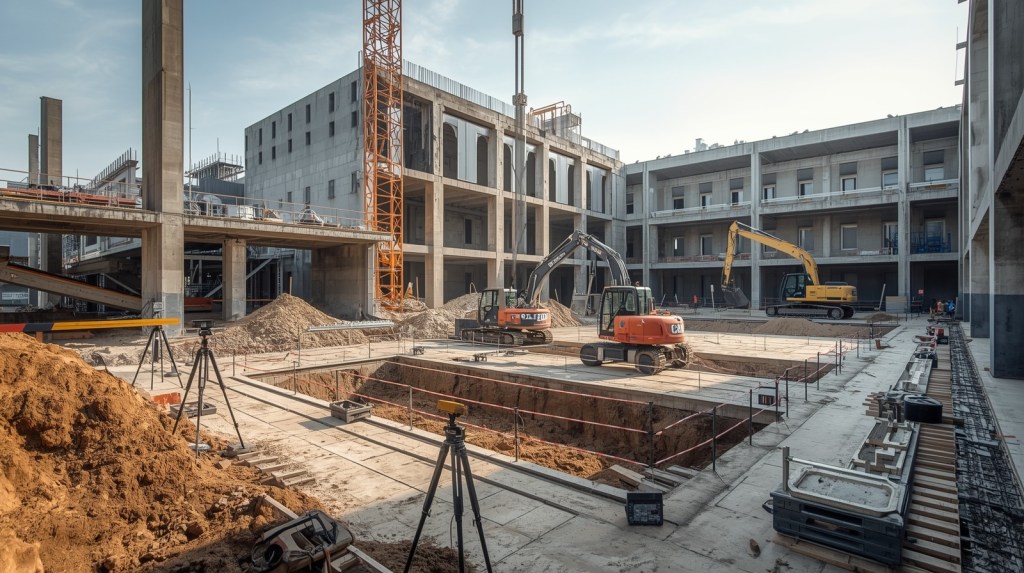
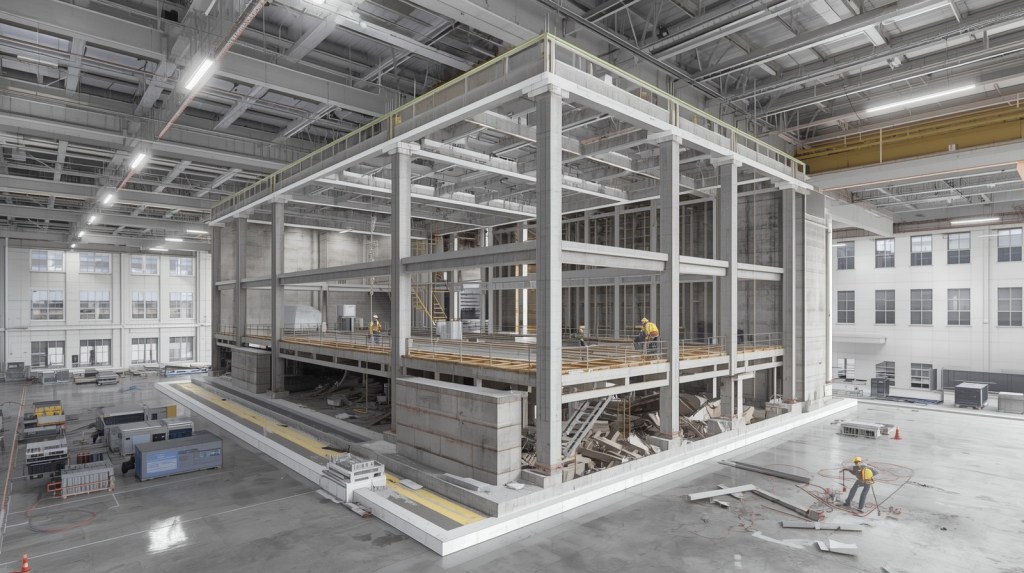
Modern technology has changed how structural engineers approach risky demolition projects. One important advancement is the use of protective design software, which helps simulate how a building will respond to demolition activities. Engineers can test various methods before actual work starts, which reduces risk and protects nearby structures from damage caused by vibrations or falling debris. It makes the job safer and smarter.
Another important part of demolition is learning from the past. This is where forensic engineering analysis plays a major role. When something goes wrong with a structure or an unexpected failure occurs, engineers study the cause in detail. This helps improve future planning and avoids repeating the same mistakes. Together, technology and experience ensure every step of demolition is controlled and safe. Read the full blog for more information. https://appliedscienceint.blogspot.com/2025/08/how-structural-engineers-plan-complex.html
Have you ever thought about how much time, money, and safety risks could be saved if we could see how a building reacts before we even build it? With today’s advanced technology, that’s no longer just a thought—it’s reality. At Applied Science, we use cutting-edge tools to simulate how buildings respond to pressure, demolition, or disasters. This helps engineers, builders, and owners make smart decisions before any real work begins.
Testing Before Tearing Down
Demolition isn’t just about bringing down a building—it’s about doing it safely and smartly. Through demolition analysis, we study how a structure will fall, what areas are most at risk, and how to control the collapse. This helps reduce damage to nearby buildings and keeps everyone safe on site. With our simulations, you can plan demolition projects with confidence and accuracy.
Designing for Protection
Safety starts long before construction begins. Through our protective design services, we help build stronger structures that can stand up to natural disasters, blasts, or other threats. Whether it’s a public space or a private building, we simulate different scenarios to see how the structure will respond. Then, we improve the design to reduce damage and protect lives. This process not only saves costs later but also builds trust in the design.
Learning from the Past
Every building collapse tells a story, and we help uncover it through structural forensic engineering. This service looks at why and how a structure failed, using data and models to recreate the incident. These findings are important for insurance, legal cases, and improving future designs. It’s like being a detective for buildings—understanding past mistakes to make future projects safer and smarter.
See the Future, Build Better
Being able to test designs before building gives a clear advantage. It lets us fix problems early, avoid expensive changes later, and keep people safe. At Applied Science, we combine engineering skills with powerful simulation tools to give our clients peace of mind. You don’t have to guess what might happen—we show it to you before anything is built or destroyed.
Conclusion
At Applied Science, we believe in making smarter choices before construction even starts. Whether you’re planning a teardown, designing for safety, or learning from a past failure, our team helps you do it better and safer.
Let’s talk about your next project—contact Applied Science today and see how we can bring your vision to life before the first brick is laid.
Applied Science brings a complete approach to structural engineering by combining safety, strategy, and technology. Their work in Demolition Engineering ensures that older structures can be safely removed with careful planning and minimal disruption. They assess each site, consider surrounding conditions, and execute the process with expert control—helping prepare the way for smarter construction.
When buildings collapse, bridges crack, or structures show signs of unexpected distress, experts are called in to find out why. This is where Forensic Structural Engineering plays a critical role. It’s not just about fixing the problem—it’s about understanding what went wrong and preventing similar issues in the future.
What is Forensic Structural Engineering?
Forensic Structural Engineering is a specialized branch of structural engineering focused on investigating and analyzing failures in buildings and other structures. Whether it’s a complete collapse or minor cracking, forensic engineers examine the evidence, determine the root cause, and provide recommendations.
This field combines engineering principles with detective work. Forensic structural engineers often act like investigators, collecting physical evidence, reviewing design documents, and conducting simulations to reconstruct the events leading up to a failure.
Why is it Important?
Failures in structures can lead to injury, financial loss, and even fatalities. Understanding the cause is essential for legal accountability, insurance claims, and most importantly, public safety. Forensic Structural Engineering ensures that the lessons from one failure are used to strengthen future designs and construction practices.
This discipline also helps in identifying construction defects, design flaws, material issues, or even external factors like natural disasters that contribute to a failure.
Common Cases Handled by Forensic Structural Engineers
Building collapses due to design errors
Structural issues from natural disasters like earthquakes or hurricanes
Foundation problems due to soil movement or poor construction
Material degradation such as corrosion or concrete spalling
Roof or wall failures due to overloading or poor maintenance
Each case requires a thorough inspection, testing, and sometimes, expert testimony in court.
The Process of Investigation
Site Inspection: The first step is visiting the site to gather visual and physical evidence.
Document Review: Engineers study original blueprints, design calculations, and construction records.
Testing and Analysis: Materials are tested, and computer models may be used to simulate the failure.
Reporting: A detailed report outlines the findings and suggests repairs or preventive measures.
Conclusion
Forensic Structural Engineering is vital in understanding structural failures and preventing them in the future. It bridges the gap between engineering science and real-world safety, ensuring that structures not only stand tall but stand the test of time. When something goes wrong, these experts help us learn, rebuild, and improve.
Before starting any demolition work, construction teams face many risks. A building that looks weak from the outside could still have parts that are dangerous to remove without proper planning. This is why it is smart for teams to look closely at the structure before starting any work. Careful planning helps protect people, equipment, and nearby properties from harm.
One important part of this planning is a demolition analysis. This process gives teams a clear picture of how a building will react during demolition. It helps in finding weak points and areas that could cause trouble if not handled properly. With this knowledge, teams can plan safer and smoother operations.
Another tool that helps in such projects is protective design software. This software allows engineers to test and plan different demolition methods using computer models. It helps in finding the safest way to bring down a structure while keeping workers and surroundings safe. Using technology like this saves time and reduces costly mistakes.
Forensic engineering analysis also plays a role in the planning stage. This type of study helps in understanding why certain parts of a building failed or could fail. It gives insight into hidden dangers that might not be seen in regular inspections. With this information, teams can avoid unexpected problems during demolition.
Applied Science offers smart solutions for construction teams looking to carry out demolition work safely. Their services help teams avoid risks and complete projects with care. Contact Applied Science today to learn how they can support your next demolition project.
When it comes to the science of building deconstruction, Applied Science International (ASI) stands at the forefront of innovation. With decades of expertise in structural analysis and modeling, we provide advanced solutions for one of the most complex phases in the construction lifecycle: demolition planning.
What Is Demolition Planning?
Demolition planning is the strategic process of safely and efficiently dismantling a structure while minimizing risk to surrounding buildings, people, and the environment. It involves more than just choosing the right equipment—it’s about predicting structural responses, mapping out failure sequences, and engineering a method that aligns with safety, timeline, and budget goals.
At ASI, we believe demolition should be engineered, not improvised.
How Applied Science International Supports Smarter Demolition Planning
Our approach to demolition planning uses cutting-edge simulation technology, allowing us to model and visualize structural behavior during every stage of the demolition process. This means:
✅ Accurate Prediction of Collapse Sequences ✅ Identification of Potential Hazards Before They Occur ✅ Efficient Debris Management Strategies ✅ Detailed Structural Reports for Regulatory Approval
With our proprietary tools like Extreme Loading® for Structures (ELS), planners and contractors gain a deeper understanding of structural dynamics—before a single beam is cut.
Why Choose Applied Science International?
We don’t just consult—we equip your team with actionable data and real-time insights. Our demolition planning services are tailored to meet the needs of:
Government agencies requiring code-compliant risk assessments
Project managers aiming to avoid costly delays or safety violations
Real-World Impact
From stadiums and bridges to industrial plants and high-rise towers, ASI has contributed to the success of numerous demolition projects across the globe. Our modeling capabilities have been used in both controlled explosive demolitions and high-risk manual takedowns, helping to safeguard lives and streamline execution.
Planning Demolition? Plan with Confidence.
At Applied Science International, we turn data into decisions. If you’re in the early stages of a project—or facing unexpected structural challenges—our expert demolition planning services will guide your team to success.
🔗 Contact ASI today to learn how we can support your next project with precision-engineered demolition solutions.
In modern civil and structural engineering, precision, safety, and efficiency are non-negotiable. One of the most vital tools enabling these qualities is Structural Analysis Engineering Software. This software revolutionizes the way engineers design, test, and optimize structures before a single brick is laid.
What is Structural Analysis Engineering Software?
Structural Analysis Engineering Software is a digital tool that helps engineers evaluate how physical structures will perform under various loads and environmental conditions. Whether it’s a bridge, building, dam, or tower, this software simulates stresses, strains, and deformations to ensure the integrity and safety of the design.
Key Features and Capabilities
Load Calculations: Accurately computes the impact of dead loads, live loads, wind, seismic activity, and more.
3D Modeling: Visualizes complex structures in three dimensions to assess weak points and optimize materials.
Finite Element Analysis (FEA): Breaks down large structures into smaller parts for detailed stress analysis.
Code Compliance: Automatically checks designs against international and local engineering codes.
With these features, Structural Analysis Engineering Software minimizes human error and allows engineers to explore more design possibilities within less time.
Benefits for Engineers and Firms
Implementing structural software in engineering workflows offers a host of benefits:
Time Efficiency: Automates repetitive calculations and simulations.
Cost Reduction: Prevents costly redesigns and overengineering.
Improved Accuracy: Enhances design safety through precise load analysis.
Collaborative Workflows: Many platforms support multi-user access, facilitating team collaboration.
Popular Use Cases
From skyscrapers in urban environments to complex industrial facilities, Structural Analysis Engineering Software is widely used in:
High-rise building design
Bridge and tunnel analysis
Offshore and marine structure simulations
Earthquake-resilient infrastructure planning
Each use case demonstrates how vital structural simulation is in preventing future failures and ensuring long-term performance.
Choosing the Right Software
There are many options available, such as STAAD.Pro, SAP2000, ETABS, and ANSYS. When selecting a Structural Analysis Engineering Software, consider factors like ease of use, integration with CAD tools, customer support, and compliance with local codes.
Conclusion
In a field where safety, efficiency, and innovation intersect, Structural Analysis Engineering Software stands as a cornerstone of modern engineering. By integrating it into your design process, you not only enhance productivity but also build a foundation for structures that last a lifetime.
In the world of modern construction and infrastructure development, Structural Analysis Engineering Software plays a critical role. This powerful technology has transformed how engineers plan, model, and ensure the safety of buildings, bridges, towers, and more. As construction challenges grow more complex, so does the need for precise and reliable analysis tools.
What is Structural Analysis Engineering Software?
Structural Analysis Engineering Software is a digital tool used by civil and structural engineers to simulate and analyze how structures behave under various loads and forces. It helps identify stress points, potential failures, and deformation, ensuring a structure can withstand environmental pressures such as wind, earthquakes, and weight loads.
Popular software programs include STAAD.Pro, SAP2000, ETABS, and ANSYS. Each of these platforms offers features like 3D modeling, finite element analysis (FEA), and load simulation, giving engineers detailed insights into the structural integrity of their designs.
Key Benefits for Engineers and Designers
The advantages of using Structural Analysis Engineering Software are extensive:
Accuracy and Efficiency: It eliminates manual errors and speeds up the design process.
Cost Savings: Early detection of potential issues helps avoid costly construction changes later.
Design Optimization: Engineers can test different materials and configurations to find the most effective solution.
Compliance and Safety: The software supports adherence to building codes and standards, ensuring public safety.
Applications Across Industries
This software isn’t just limited to skyscrapers. It’s widely used in:
Infrastructure projects like highways and bridges
Industrial facilities such as factories and power plants
Commercial buildings and complex architectural structures
In each case, Structural Analysis Engineering Software ensures that every element—from beams to foundations—meets strength and performance requirements.
Future Trends and Innovations
The integration of AI, cloud computing, and Building Information Modeling (BIM) is pushing the boundaries of what Structural Analysis Engineering Software can do. Real-time collaboration, automated load testing, and smarter simulations are becoming more accessible, even for small engineering firms.
Conclusion
As the backbone of safe and innovative construction, Structural Analysis Engineering Software is indispensable for engineers today. By embracing these advanced tools, professionals can design stronger, safer, and more sustainable structures that meet the demands of the modern world.
As cities evolve and grow smarter, the way we design and build them needs to keep up. Today’s urban environments are not just collections of buildings—they’re interconnected ecosystems that rely on technology, sustainability, and safety. To support this new era of living, the approach to structural engineering also needs to shift. That’s where Performance Based Structural Design steps in.
Building for How Cities Work, Not Just How They Look
Traditional structural design often follows a fixed set of rules, applying the same methods across different projects. While this has worked in the past, modern cities require more flexibility. Urban buildings now serve multiple purposes, support heavier loads, and are expected to perform during unexpected events like earthquakes or storms.
Instead of simply following standard codes, this new approach allows engineers to think about how a structure should behave under real-world conditions. That flexibility is perfect for smart cities, where infrastructure is expected to interact with technology, data systems, and evolving human needs.
Smarter Cities Need Smarter Safety
The rise of smart cities means we’re embedding sensors, real-time monitoring, and automated systems into public and private spaces. But these technologies are only as reliable as the physical structures they rely on. A smart grid or transit system can’t function properly if the buildings or bridges housing them aren’t safe or well-designed.
Performance Based Structural Design allows safety to be addressed from multiple angles—by simulating how a building will perform in the face of fire, wind, seismic forces, or unusual use. It’s not just about passing a checklist; it’s about predicting how something will behave when it counts the most.
Efficiency Without Cutting Corners
Another major concern for smart cities is efficiency. Faster construction timelines, budget limits, and sustainable materials are all in high demand. By focusing on how a structure is expected to perform, engineers can avoid overbuilding or wasting resources.
This method allows for more creative problem-solving. Engineers can weigh different materials, layouts, or building systems based on how they’ll function—not just on what the code says must be done. The result is infrastructure that’s more aligned with modern urban goals.
Planning for the Future, Not Just the Present
Cities aren’t static. They’re always expanding, shifting, and adapting to new technologies. This makes long-term planning a challenge. Engineers now need to think 10, 20, or even 50 years ahead. With Performance Based Structural Design, structures can be built with adaptability in mind—ready to handle changes in use, population density, or environmental demands.
Final Thoughts
As urban areas continue to transform into smart cities, performance-focused engineering will play a key role in shaping safe, adaptive, and future-ready infrastructure. If you’re exploring solutions that match this mindset, consider how Applied Science International applies Performance Based Structural Design to push cities forward. Learn more here.
In the ever-evolving world of construction and civil engineering, precision and efficiency are critical. Modern projects demand tools that can handle complex designs, ensure safety, and streamline workflows. That’s where Structural Analysis Engineering Software steps in as a game changer.
What Is Structural Analysis Engineering Software?
Structural Analysis Engineering Software is a digital tool used by engineers to evaluate the structural integrity of buildings, bridges, and other infrastructures. It simulates real-world forces such as loads, vibrations, and environmental conditions, helping engineers predict how structures will behave before they’re built. By using this software, professionals can detect weak points, ensure code compliance, and avoid costly design errors.
Key Features and Benefits
One of the most significant advantages of Structural Analysis Engineering Software is its ability to conduct detailed simulations. From analyzing stress distribution in steel frames to evaluating seismic responses, the software provides comprehensive insights that manual calculations simply can’t match.
Other key features include:
3D Modeling and Visualization: Create detailed models that represent the actual structure with precision.
Load and Stress Analysis: Evaluate how structures respond to different forces, including wind, snow, and earthquakes.
Material Behavior Simulation: Understand how various construction materials will perform under different conditions.
Code Compliance Checking: Ensure your design meets regional and international standards.
Who Uses This Software?
Structural Analysis Engineering Software is used by civil and structural engineers, architects, contractors, and infrastructure consultants. Whether it’s a small residential building or a massive suspension bridge, this software helps in making data-driven decisions throughout the design and construction process.
Why It Matters Today
In today’s fast-paced construction environment, mistakes can lead to significant delays and financial losses. More importantly, structural failures can pose serious safety risks. By using advanced Structural Analysis Engineering Software, professionals can optimize their designs, reduce waste, and improve safety outcomes.
Final Thoughts
As technology continues to transform the construction industry, Structural Analysis Engineering Software remains a cornerstone of innovation. It empowers engineers to build smarter, safer, and more sustainable structures. Whether you’re designing a skyscraper or a footbridge, investing in the right software could be the key to your project’s success.