The Role of Forensic Structural Engineering in Investigating Building Failures

Our modern world is shaped by impressive structures, from towering skyscrapers to intricate bridges. These architectural wonders are a testament to human innovation and engineering prowess. However, sometimes, even the most well-constructed buildings can fail or develop structural issues. When these unfortunate events occur, forensic structural engineering comes to the rescue, playing a pivotal role in unraveling the mysteries behind building failures.

Defining Forensic Structural Engineering

Forensic structural engineering is a specialized field that involves investigating and analyzing the causes of structural failures, defects, and damage in buildings and other structures. The term “forensic” in this context refers to the rigorous and systematic examination, analysis, and documentation of evidence to determine the root cause of the problem.

Understanding Building Failures

Building failures can take various forms, including collapses, cracks, tilting, or damage due to natural disasters or man-made factors. Identifying the underlying cause of such failures is crucial for safety, insurance claims, and legal proceedings. Common causes of structural problems include design flaws, material defects, construction errors, or unforeseen environmental factors.

The Investigative Process

Forensic structural engineers are called upon to conduct in-depth investigations when a structural issue arises. Their process typically involves:

  1. Initial Assessment: Engineers inspect the affected structure, examining visible signs of damage and collecting relevant information.
  2. Gathering Data: They gather data from various sources, including construction plans, material specifications, and maintenance records.
  3. Structural Analysis: Using specialized tools and software, engineers conduct a thorough structural analysis to understand the forces at play within the structure.
  4. Laboratory Testing: In cases involving material defects, engineers may conduct laboratory tests to determine the quality and integrity of construction materials.
  5. Site Testing: Field tests are conducted to assess the strength and stability of the structure.
  6. Reporting and Recommendations: Forensic engineers provide a detailed report of their findings, including the cause of the failure and recommendations for repairs or future prevention.

The Value of Forensic Structural Engineering

Forensic engineering Analysis plays a critical role in enhancing structural safety and preventing future failures. It provides invaluable insights that help improve construction practices, design standards, and building codes. Additionally, these investigations are essential for insurance claims, legal disputes, and ensuring the responsible parties are held accountable.

In conclusion, structural forensic engineering is the detective work of the engineering world, helping us understand why buildings fail and how to prevent it from happening again. By delving into the intricacies of structural failures, forensic engineers ensure that our built environment remains safe and resilient, allowing us to continue pushing the boundaries of architectural and engineering achievement.

Solving Structural Mysteries: The World of Structural Forensic Engineering

In the world of construction and engineering, structures are designed to withstand the test of time. However, when unexpected failures occur, it’s the job of structural engineers to unravel the mysteries behind these structural issues. They are the Sherlock Holmes of the construction world, utilizing advanced tools and techniques to investigate and analyze structural failures, ultimately determining their root causes with structural design software.

Structural forensic engineering is a captivating field that combines science, technology, and detective work to understand why structures fail. These experts play a critical role in ensuring the safety and integrity of buildings and infrastructure. Let’s take a closer look at this fascinating world, where every failure tells a story.

Structural Design Software:

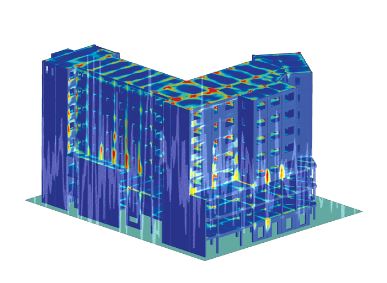
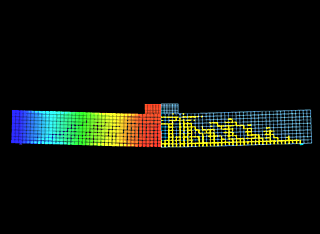
One of the essential tools in a structural forensic engineer’s arsenal is structural design software. This sophisticated software allows engineers to create detailed models of structures, simulating various conditions and loads. By inputting the relevant data, they can analyze how a building should perform under normal circumstances. 

Demolition Engineer:

While structural engineers design buildings to stand tall and proud, demolition engineers are the experts in taking them down safely and efficiently. In the realm of structural forensic engineering, their expertise is invaluable. When a structure has failed to the point where it needs to be demolished, demolition engineers step in to ensure that the process is carried out without further incident. Their knowledge of controlled demolition techniques is essential for public safety.

Protective Design Services:

In an ever-changing world, structures must also be designed to withstand unforeseen threats, such as natural disasters and security concerns. Protective design services play a vital role in this aspect of engineering. They specialize in fortifying structures against potential hazards, ensuring the safety of occupants and the longevity of the building. In the world of structural forensic engineering, understanding the measures taken to protect a structure can be critical in determining why a failure occurred.

Structural Forensic Engineering:

Now, let’s dive into the heart of the matter—structural forensic engineering itself. These experts investigate structural failures meticulously. They examine everything from the materials used to the construction methods employed. They assess environmental factors, load capacities, and maintenance history. Through this thorough examination, they piece together the puzzle, identifying the root causes of structural failures.

In conclusion, structural forensic engineering is a captivating field that requires a blend of technical expertise and analytical thinking. These professionals work tirelessly to uncover the secrets hidden within failed structures, ensuring that lessons are learned and that future designs and constructions are even safer and more resilient. Their work is a testament to the importance of continuous improvement in the world of engineering. If you are looking for a platform that offers the best structural engineering software, Applied Science is the place you can rely on. For more details, visit the website: https://www.appliedscienceint.com/

From Design to Demolition: The Lifecycle of a Structural Engineer

Structural engineers play a vital role in ensuring the safety and integrity of buildings and infrastructure. Their career journey is a fascinating one, encompassing various stages, from design and construction to forensic investigations and demolition projects. In this blog, we’ll take you through this exciting journey, shedding light on the different aspects of a structural engineer’s profession.

Designing the Foundation

Structural engineers start their journey by delving into the world of design. They collaborate with architects and other professionals to create blueprints that form the foundation of any construction project. Their role is to ensure that the structure is not only aesthetically pleasing but also sound and safe.

Constructing the Vision

Once the design is finalized, it’s time for the construction phase. Structural engineers work closely with contractors and builders to oversee the implementation of their designs. They ensure that every beam, column, and foundation is constructed according to the plan, meeting the required safety standards.

Protective Designing experts 

As their career progresses, some structural engineers specialize in protective design services. These experts focus on making structures resilient to natural disasters such as earthquakes, hurricanes, and floods. Their innovative solutions aim to safeguard lives and property during adverse events.

Analyzing Failures:

In the event of structural failures or disasters, forensic structural engineering step in. Engineers investigate the root causes of accidents, determining whether design flaws, construction errors, or external factors are responsible. Their findings are crucial for preventing similar incidents in the future.

Problem Solvers

Structural engineers are problem solvers by nature. Throughout their career, they encounter complex challenges, whether retrofitting an old building for modern safety standards or designing structures in challenging environments. Their ability to find creative solutions is a testament to their expertise.

Safely Bringing Down Structures

Demolition engineers are a unique breed of structural engineers. They specialize in safely demolishing structures, a task that requires meticulous planning and precision. Their expertise ensures that buildings come down safely, minimizing risks to people and the environment.

The journey of a structural engineer is a fascinating one that spans various stages, each with its unique challenges and responsibilities. From designing the foundations to protecting structures from disasters, and even investigating failures, structural engineers play a pivotal role in shaping our built environment. Whether they are working on protective designs, forensic investigations, or demolition projects, their dedication to safety and innovation is what makes them indispensable in the world of construction and engineering.

Importance of Purchasing Licensed Structural Engineering Design Software

Building and construction personnel require software tools to complete jobs correctly, effectively, and promptly. Modern-day responsibilities are carried out with the assistance of sophisticated software in a variety of fields. We’ll go through why buying a licensed structural design software program is essential for protective design services, planning, conducting a demolition study, and more.

Software licensing offers a variety of ways to increase income. After all, the primary advantage of licensing is increased productivity. It also entails safeguarding one’s privacy. Free trial versions or pirated copies of software programs may allow users to use the product for a few hours or days without charging. Nonetheless, there is ongoing concern about losing the project and being unable to access specific services or tools. Moreover, harmful files bundled with unstable software have a significant likelihood of causing computer systems to crash. By obtaining a license to use the structural analysis engineering software, users may work stress-free. When users possess licensed software, they may limit piracy through entitlements and hence govern consumption.

Identifying a Reliable Supplier

The objective right now is to choose a credible vendor who offers licensed software for jobs like designing, planning, forensic structural engineering, demolition planning, analysis, and more. Several suppliers claim to offer updated software versions. But you should use caution to prevent regretting your decision. You must investigate everything about the service company offering such solutions.

We at Applied Science International are always ready to help any of our clients who need to purchase protected design software. We are a reliable service provider, and we offer licensed software packages for specialists to plan and design a wide range of building projects efficiently. Our objective is to provide you with the finest service possible so you can acquire performance-based design tasks related to structural building and construction projects. To learn more, visit the website: https://www.appliedscienceint.com/

Demolition and Forensic Engineering Service with Software Programs

We’re going to talk about three topics related to the building and construction sector. The subjects covered include design software for structural construction projects, demolition, and forensic structural engineering. Let’s get going.

Demolition Engineering

Demolition is a verb that means to destroy, disassemble, or remove. It is the planned and controlled removal of any building structure, whole or in part. Demolition is planned for a variety of reasons. For example, to make room for new construction. Or if the building’s stability was lost or there was structural damage. Demolition engineers carry out much more than only destroying or exploding structures. The task may be challenging and risky. A demolition engineer uses surveying equipment, testing tools for material strength (and weakness), and machinery for dismantling or destroying materials and buildings.

Structural Forensic Engineering

It is a kind of service involving an investigation that focuses on structural weaknesses. Expert forensic engineers can identify the root cause of structural failures on a smaller scale as well as larger-scale collapses of buildings or bridges. It is the responsibility of experts to determine the precise reasons why failed structures occurred in order to prevent a repeat of the same error.

Software Programs

When it comes to structural building projects or activities, we cannot discount the value of software. Programs like structural design software are important for every project, including PBD-based projects, demolition projects, forensic structural engineering projects, and analyses. In addition to helping professionals save time, effort, and money, the systems also guarantee 100% correct outcomes.

You can contact us if you want experienced professional support for such initiatives. We at ASI, Applied Science International, provide structural design software so that professionals can organize and create various construction projects. This helps professionals in developing new, more precise engineering and design procedures for construction while employing the best and most cutting-edge technologies. 

Read full blog here – https://sites.google.com/view/appliedscienceintus/demolition-and-forensic-engineering-service-with-software-programs

A Sneak Peek Into Advanced Engineering Practices

Constructing concrete structures is a herculean task that requires a great deal of visual-spatial intelligence. Activities such as planning the layout, deciding the framework of the building, the use of pillars, assessing the foundation, and leveling the ground test the acumen of the structural engineers. Using their knowledge and relying on their experience, they have to devise strategies to construct buildings that can sustain catastrophes and last a lifetime. 

The digitally advanced engineering methods

The protective design services talk about ways of minimizing loopholes and addressing foundational problems. The engineers look into the issues that might arise while constructing the buildings. Technological features such as digital sculpting, texture mapping, and 3D animation techniques can help prevent significant problems. 

Moreover, buildings are prone to extreme temperatures and weather conditions. These can weaken their structures and allow them to collapse in no time. The software provides codes and algorithms that are to be deciphered by the engineers. It provides colorful images and suggests ways to protect concrete structures against excruciating damage. 

Structural design software resolves the challenges architects and engineers come across, such as planning a proper design, infrastructure, or the use of materials. With the help of technology, professionals can chisel their techniques and develop construction methods that strengthen the framework and make brick-and-mortar buildings look pleasant. 

With the help of demolition engineering, engineers can figure out ways to deconstruct or reduce a building to pieces. The software helps them develop methods to effortlessly bring down the humongous structures without harming the environment or jeopardizing the safety of the workers.

Summing it up, the world of engineering is beset with adventures and encompasses an impeccable use of technology. The digitally advanced software helps the engineers come up with new designs, frameworks, and layouts. These significantly reduce pollution, minimize environmental hazards and ensure the safety of the workers. With the help of effective construction strategies, architects and engineers can make good use of the skills and resources at their disposal. 

Takeaway

To avail the best engineering options, visit Applied Science INT. The company has a panel of highly-skilled engineers and architects who know their tasks well. Having the construction methods at their tips provides them an edge over their competitors. You can drop an email, provide your feedback or schedule an online consultation by logging onto the website. 

View Original Source – http://appliedscienceint09.weebly.com/blog/a-sneak-peek-into-advanced-engineering-practices

Better To Analyze And Then Demolish

It is important to keep a number of factors in mind when designing a new building, including its strength, quality of materials, aesthetic appeal, functionality, energy efficiency, and environmental sustainability. To improve the durability of a structure, architects work on every aspect. Similarly when there is a talk about demolition, a complete analysis is necessary. In addition to natural or environmental causes, renovation needs, aging buildings, non compliance with government regulations, and others, there may be several reasons for demolishing the building. If the property can no longer be maintained or kept, it may be better to consider tearing it down.  

Demolition work is basically straightforward but that doesn’t mean it is without risks. Demolition entails destroying, razing, or wrecking the structure partially or fully. Destroying any property can be dangerous if proper analysis is not done with adequate precautions. Just like Structural Design Software for designing assistance there are softwares for demolition planning also. With the help of these tools engineers analyze the complete situation and then implement the demolition process. Let us look at some major points engineer must keep in mind before beginning the demolition: 

  1. The analysis must include wind and seismic analysis for structures located in wind- or earthquake prone areas to ensure they don’t fail prematurely.
  2. Dust analysis is very important as the dust particles generated from demolition activity can be hazardous to the environment and a nuisance to the local community. 
  3. Engineers must estimate the sound intensity in DB due to explosives in the process of demolition. Noise generated in demolition sites is a major concern for contractors, property owners, and the local community.
  4. With the help of protective design software, engineers can analyze the complete impact of blast, precautions needed, and can make progressive collapse designs. 
  5. Engineers must make the predicted plan and compare the actual scenarios with the predicted for better understanding. 
  6. Before you begin the demolition process, take the appropriate measures for asbestos removal or disposal. 

There is more to demolition than implanting the explosives and breaking down the building. Demolition process can be dangerous, hence a proper demolition planning is required. Modern softwares can help engineers in planning and execution of plans. Applied Science is a quality software service provider for structural engineering. 

For more details, visit: https://www.appliedscienceint.com/ Read full blog here – https://appliedscienceint0.wixsite.com/appliedscienceint/post/better-to-analyze-and-then-demolish

Importance of Forensic Structural Engineering and Performance Based Design

Most people have heard of forensics and know it is used to study crime scenes. Even though forensic engineering also involves investigation, it is more about fixing problems with buildings than finding criminals. With Forensic Structural Engineering, experts can determine why a building or bridge fell or a smaller structure broke. So that the same mistake does not happen again, forensic engineers need to be able to figure out exactly why something happened.

Why Is Forensic Structural Engineering and Performance Important?

Reasons for Failing to Succeed

When a building breaks, a full forensic investigation is done to discover what happened. But why is it essential to find out what happened? Forensic engineering could be used as evidence in a possible court case if people were hurt or property was damaged when the building or structure fell. Also, if specific material was the cause of the failure, it could be looked at more closely to see if it was a lousy building material or if it just could not handle a certain amount of pressure or stress. Nowadays, technology has improved, and Structural Analysis Engineering Software has come into existence and taken a vital role.

Forensic Engineers Tell the story of How a Structure Failed

In a forensic investigation, a forensic engineer will first look at how broad the research is and then narrow it as more information comes to light. The goal is to use reverse engineering to determine exactly what went wrong with the structure. The whole story could take weeks, months, or even years, depending on the circumstances.

PBD is a way to design buildings of any size or complexity, such as high-rise homes and office buildings. In a performance-based approach, all decisions are based on how the building needs to work and how it can be tested and evaluated.

What Are The Benefits of Using A Performance-based Design Method?

New collaboration technologies make it easier for designers to develop high-performance design solutions constantly.

How does Performance-based design affect a project’s Energy Efficiency?

Explain how to use performance-based design to improve the health, safety, and well-being of people who live or work in a building.

List the benefits of working together as a design team to reach performance goals throughout the design process.

Find out how a performance-based design method helps the economy and the environment.

Conclusion

Performance-based design lets you develop, evaluate, and try out different solutions based on a clear plan. Its analysis helps designers and projects because it gives them feedback that helps them learn more about the spaces they are designing, see how different design choices will affect these spaces, and make better design decisions.  To know, you can check out us at Applied science. 

Check out the website: https://www.appliedscienceint.com/ View Original Source Here – http://appliedscienceint09.weebly.com/blog/importance-of-forensic-structural-engineering-and-performance-based-design

Professional Demolition Services: An Indispensable Part of the Construction

Whether you’re remodeling your landscaping or building a new house from scratch, you must first deal with any existing structures on the property. While you may be able to demolish a carport or shed on your own, professional demolition is typically a preferable option for pools, existing homes, mobile homes, and other more involved structures. Professional demolition involves proper Demolition Analysis. Here are some of the benefits of hiring a professional demolition firm rather than attempting to remove these construction impediments on your own.

  • Better Regulation Compliance: The rules controlling building and destroying things might be challenging. Reputable demolition contractors have the accreditation, knowledge, and training necessary to ensure that your project complies with all relevant state and municipal regulations. This is especially important if the demolition project would disturb regions with sensitive plant and animal life or dangerous items. The documentation for your project, such as permits, is certain to be in order by hiring a professional, protecting you from any fines.
  • Greater Standards for Safety: Demolition has various inherent risks to safety. However, compared to trained demolition teams, the risk of injury for unskilled individuals is far higher. You safeguard your safety and the general security of your project when you leave demolition to trained specialists. It provides you peace of mind and guarantees that dangerous situations won’t cause your project to be delayed or complex.
  • More Powerful Methods: A demolition crew can demolish practically any kind of building, from the foundation to the top, and make sure that everything is taken down as efficiently as possible using the latest yet most powerful method.

Conclusion

One of the major advantages of professional demolition over amateur demolition is that a professional may significantly speed up the entire process. In other cases, demolition can be completed and the area cleaned up in days rather than weeks. Because of this rapid method, you may begin building sooner, saving you both time and money.

If you need assistance related to demolition or want Cold-Formed Steel Software, get in touch with Applied Science International. We can help structure engineers perform the task with full efficiency.

Further, we can help you with Structural Forensic Engineering services to analyze failure scenarios. Get in touch with us today!

Services That Comes Under Structural Engineering 

Structural forensic engineering is a subfield of civil engineering in which structural engineers are prepared to create the ‘bones and muscles that construct the form and shape of artificial structures. Structural engineers must also comprehend and estimate the strength, rigidity, and earthquake-susceptibility of built structures for buildings and non building systems. The structural designs are combined with those of different designers, like architects and building services engineers, and often lead the construction of projects by contractors on site. They can also be interested in creating machinery, medical equipment, and vehicles where structural integrity problems with functioning and safety. 

Demolition engineering services: Demolition engineering is the science and engineering of destroying buildings and other artificial structures safely and efficiently. Demolition deviates from deconstruction, which concerns dividing a building while carefully keeping valuable elements for reuse.

Performance design services: In performance-based design, structural engineers initially decide on the precise performance of the structures in consultation with the proprietor and then move on with the design or evaluation of the current structures. Performance-based design is broadly utilized in connection with seismic loads.

Cold formed steel services: Cold-Formed Steel (CFS) has also been a relatively short-time viable building material compared with traditional materials such as wood. The products and the design process have evolved significantly in that short time. 

Progressive collapse analysis: The progressive collapse in a structure arises when significant structural load-carrying members are released suddenly, and the remaining structural elements cannot sustain the weight of the building and fail. This failure generally happens in a domino impact and shows a progressive collapse loss in the design.

If you want to know about more services like  protective design services, you can go through Applied Science. Regarding structural design and analysis, our group of veteran engineers and scientists deliver a collective wealth of over 200 years of direct experience in engineering analysis, research, and design. At ASI, we deliver innovative solutions that improve clarity and facilitate solutions to challenges about structural design, defects, failures, and accidents. When operating on a project, we involve the client in all steps.

Check out the website now: https://www.appliedscienceint.com/