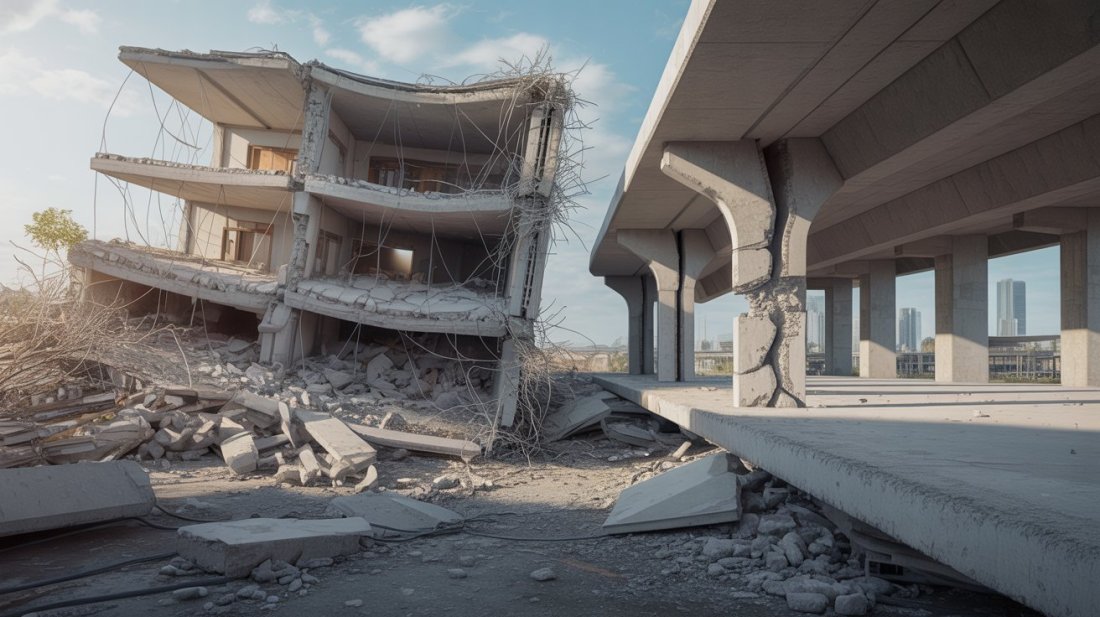
Advanced Demolition Engineering, Demolition Analysis & Protective Design Software

In today’s modern construction industry, safety, precision, and innovation are essential. With the growing complexity of structures, combining Demolition Engineering, Demolition Analysis, and Protective Design Software has become crucial for delivering efficient and safe solutions. Engineers and contractors now rely on advanced simulation tools to plan controlled demolitions, analyze structural behavior, and design resilient buildings.

Demolition Engineering ensures the safe removal of structures through carefully designed plans, minimizing risks and protecting surrounding areas. At the same time, Demolition Analysis uses advanced modeling techniques to predict how buildings will react under different conditions, allowing professionals to plan every step with accuracy and confidence. Meanwhile, Protective Design Software empowers engineers to design structures that can withstand extreme events like blasts, natural disasters, or progressive collapses.

By integrating these technologies, professionals can achieve safer, cost-effective, and more sustainable engineering solutions. For cutting-edge tools and expert solutions, trust Applied Science International to deliver unmatched innovation and precision in every project.

What If You Could Simulate Demolition, Protection, and Collapse Before Building?

Have you ever thought about how much time, money, and safety risks could be saved if we could see how a building reacts before we even build it? With today’s advanced technology, that’s no longer just a thought—it’s reality. At Applied Science, we use cutting-edge tools to simulate how buildings respond to pressure, demolition, or disasters. This helps engineers, builders, and owners make smart decisions before any real work begins.

Testing Before Tearing Down

Demolition isn’t just about bringing down a building—it’s about doing it safely and smartly. Through demolition analysis, we study how a structure will fall, what areas are most at risk, and how to control the collapse. This helps reduce damage to nearby buildings and keeps everyone safe on site. With our simulations, you can plan demolition projects with confidence and accuracy.

Designing for Protection

Safety starts long before construction begins. Through our protective design services, we help build stronger structures that can stand up to natural disasters, blasts, or other threats. Whether it’s a public space or a private building, we simulate different scenarios to see how the structure will respond. Then, we improve the design to reduce damage and protect lives. This process not only saves costs later but also builds trust in the design.

Learning from the Past

Every building collapse tells a story, and we help uncover it through structural forensic engineering. This service looks at why and how a structure failed, using data and models to recreate the incident. These findings are important for insurance, legal cases, and improving future designs. It’s like being a detective for buildings—understanding past mistakes to make future projects safer and smarter.

See the Future, Build Better

Being able to test designs before building gives a clear advantage. It lets us fix problems early, avoid expensive changes later, and keep people safe. At Applied Science, we combine engineering skills with powerful simulation tools to give our clients peace of mind. You don’t have to guess what might happen—we show it to you before anything is built or destroyed.

Conclusion

At Applied Science, we believe in making smarter choices before construction even starts. Whether you’re planning a teardown, designing for safety, or learning from a past failure, our team helps you do it better and safer.

Let’s talk about your next project—contact Applied Science today and see how we can bring your vision to life before the first brick is laid.

Why Should Construction Teams Invest in Structural Analysis Before Demolition?

Before starting any demolition work, construction teams face many risks. A building that looks weak from the outside could still have parts that are dangerous to remove without proper planning. This is why it is smart for teams to look closely at the structure before starting any work. Careful planning helps protect people, equipment, and nearby properties from harm.

One important part of this planning is a demolition analysis. This process gives teams a clear picture of how a building will react during demolition. It helps in finding weak points and areas that could cause trouble if not handled properly. With this knowledge, teams can plan safer and smoother operations.

Another tool that helps in such projects is protective design software. This software allows engineers to test and plan different demolition methods using computer models. It helps in finding the safest way to bring down a structure while keeping workers and surroundings safe. Using technology like this saves time and reduces costly mistakes.

Forensic engineering analysis also plays a role in the planning stage. This type of study helps in understanding why certain parts of a building failed or could fail. It gives insight into hidden dangers that might not be seen in regular inspections. With this information, teams can avoid unexpected problems during demolition.

Applied Science offers smart solutions for construction teams looking to carry out demolition work safely. Their services help teams avoid risks and complete projects with care. Contact Applied Science today to learn how they can support your next demolition project.

Strategic Demolition Planning: Engineering for Safe and Efficient Project Execution

Demolition planning is a meticulous process that involves careful consideration of various factors to ensure the safe and efficient execution of a project. From analyzing the structural integrity of the building to determining the best methods for demolition, every step is crucial to the overall success of the project.

The Role of a Demolition Engineer

A demolition engineer is a key player in the planning and execution of demolition projects. Their expertise in structural engineering and demolition techniques allows them to assess the structural integrity of the building and devise a safe and efficient demolition plan. Their role is to ensure that the demolition process is carried out with precision and minimal risk to surrounding structures and the environment.

Engineering for Safety

Safety is paramount in any demolition project. Demolition engineering focuses on developing strategies to mitigate risks and ensure the safety of workers, the public, and the environment. This includes identifying potential hazards, such as asbestos or other hazardous materials, and implementing measures to address them. By incorporating engineering principles into the planning process, demolition engineers can create a safe working environment and minimize the impact of the demolition on the surrounding area.

Efficiency through Analysis

Demolition analysis is a critical step in the planning process. It involves assessing the structural stability of the building, identifying weak points, and determining the best methods for demolition. This analysis helps engineers develop a comprehensive plan that maximizes efficiency while minimizing risks. By analyzing the building’s structure and materials, engineers can devise strategies to optimize the demolition process, reduce costs, and minimize the environmental impact.

Conclusion

Strategic demolition planning is essential for the success of any demolition project. By incorporating engineering principles, such as structural analysis and safety considerations, demolition engineers can develop plans that ensure the safe and efficient execution of the project. With their expertise, they play a crucial role in shaping the future of demolition engineering and ensuring that projects are completed with precision and care.

Breaking Ground Safely: The Role of Technology in Demolition Engineering

In the ever-evolving field of Demolition Engineering, cutting-edge technology plays a pivotal role in reshaping traditional approaches and ensuring safer, more efficient outcomes.

Demolition Engineering: Navigating a New Era

Demolition engineers are at the forefront of innovation, leveraging advanced technologies to navigate the complexities of their craft. In the realm of Demolition Engineering, staying ahead means embracing novel approaches to planning, analysis, and design.

Revolutionizing Demolition Planning: Precision in Every Detail

Demolition Planning has undergone a revolutionary transformation with the integration of technology. Sophisticated software and modeling tools now allow engineers to plan demolitions with unprecedented precision, taking into account various factors such as structural integrity, environmental impact, and safety measures. This ensures a meticulous blueprint for success.

Demolition Analysis: Unveiling Structural Secrets

The advent of high-tech tools has elevated Demolition Analysis to a new level. Engineers now have the capability to unveil structural secrets hidden from the naked eye. Through advanced analysis techniques, they can assess vulnerabilities, anticipate potential challenges, and devise strategies to address them, all contributing to a safer and more controlled demolition process.

Designing the Future: The Technological Face of Demolition Engineering

In the realm of Demolition Engineering, design is not just about aesthetics but also about functionality and safety. Technology has enabled engineers to craft blueprints that optimize safety measures, incorporating innovative design techniques that redefine the landscape of structural engineering.

A Safer Tomorrow: The Collective Impact of Technology

The collective impact of these technological advancements extends beyond individual components. It creates a holistic approach to Demolition Engineering, ensuring that every phase of a project, from planning and analysis to design, is executed with a focus on safety, efficiency, and environmental consciousness.

In conclusion, applied science understands that the role of technology in demonstration engineering cannot be overstated. It not only enhances the precision of planning, analysis, and design but also contributes to a safer and more sustainable future for the industry. As technology continues to advance, demolition engineers will undoubtedly find new and innovative ways to break ground safely. Check our website to know more. 

Professional Demolition Services: An Indispensable Part of the Construction

Whether you’re remodeling your landscaping or building a new house from scratch, you must first deal with any existing structures on the property. While you may be able to demolish a carport or shed on your own, professional demolition is typically a preferable option for pools, existing homes, mobile homes, and other more involved structures. Professional demolition involves proper Demolition Analysis. Here are some of the benefits of hiring a professional demolition firm rather than attempting to remove these construction impediments on your own.

  • Better Regulation Compliance: The rules controlling building and destroying things might be challenging. Reputable demolition contractors have the accreditation, knowledge, and training necessary to ensure that your project complies with all relevant state and municipal regulations. This is especially important if the demolition project would disturb regions with sensitive plant and animal life or dangerous items. The documentation for your project, such as permits, is certain to be in order by hiring a professional, protecting you from any fines.
  • Greater Standards for Safety: Demolition has various inherent risks to safety. However, compared to trained demolition teams, the risk of injury for unskilled individuals is far higher. You safeguard your safety and the general security of your project when you leave demolition to trained specialists. It provides you peace of mind and guarantees that dangerous situations won’t cause your project to be delayed or complex.
  • More Powerful Methods: A demolition crew can demolish practically any kind of building, from the foundation to the top, and make sure that everything is taken down as efficiently as possible using the latest yet most powerful method.

Conclusion

One of the major advantages of professional demolition over amateur demolition is that a professional may significantly speed up the entire process. In other cases, demolition can be completed and the area cleaned up in days rather than weeks. Because of this rapid method, you may begin building sooner, saving you both time and money.

If you need assistance related to demolition or want Cold-Formed Steel Software, get in touch with Applied Science International. We can help structure engineers perform the task with full efficiency.

Further, we can help you with Structural Forensic Engineering services to analyze failure scenarios. Get in touch with us today!

Considerations while Selecting Demolition Engineering Services

Unfit structure needs a demolition procedure. There can be different purposes behind carrying out a demolition process. It can be re-construction of an old building and constructing a whole new building. This procedure of demolition is not an easy job. It involves safety risks for adjacent structures, demolition workers, and public working in and around the area (where the to be demolished structure is). Demolition Engineer takes the responsibility to make this entire process smooth and effective. There are a few points to consider while choosing demolition engineering services. Let us discuss this.

License and Insurance

The reason why licensed and insured contractors should be your choice is that they ensure making righteous decisions.

Expertise

There is nothing to debate or question on this factor. Demolition Planning or analysis requires extensive knowledge and top skills. That is why make sure to approach a firm or a company with a competent team of demolition engineers and experts.

Technology and Tools

Another important point to take into consideration is the technical knowledge and practice of necessary equipment & tools. Right from heavy machines to advanced software programs, a Demolition Engineer must hold the practical knowledge of the same.

Post Procedure Responsibilities

Once the Demolition Analysis is done, and the same is executed on the site. The operation produces hazardous materials as waste. So, while choosing a demolition engineering service contractor, make sure they include the removal of hazardous materials post-procedure.


If you need a credible provider for demolition engineering solutions, you can rely on Applied Science International, LLC, or ASI. A team of veteran engineers and scientists there provides innovative solutions that bring clarity and facilitate the resolution of challenges regarding structural design, defects, failures, and accidents, along with demolition engineering solutions.
For more information, visit – AppliedScienceInt.com

Hire Demolition Engineer for Effective Demolition Planning and Analysis

Although the demolition of a structure is often considered simpler than construction, it has the same or sometimes higher difficulty level and requires extensive preparation. Demolition of a structure puts surrounding people and buildings at risk. Thus, the involvement of a highly-qualified demolition engineer is crucial. Professional engineers and building demolition service providers have a Nonlinear Dynamic Structural Analysis Tool to simulate and modify manual deconstruction processes in a 3D environment.


A wrecking ball and high reach arm was the great equipment earlier to perform the demolition of a building. Nowadays several companies that plan and design safe demolition pay special attention to details. Their demolition analysis team can model the complete structure in full 3-D along with all structural details, including girders, columns, floors, detailed reinforcement, slabs, masonry, cables, and vessels, service/transfer floors, detailed reinforcement, and pre & post-tensioned tendons. Apart from those details, they include material properties, shoring, and structural damage as per the current condition of the structure. No matter which method is utilized in the demolition process, the top priority should be the safety of people and nearby buildings. Improperly executed demolition processes can lead to hazards and thus, effective planning and analysis of structure before performing demolition.


Anybody who needs professional assistance with demolition planning or analysis can approach Applied Science International, LLC. They have a team of qualified engineers to provide customers with assistance and solutions for safe demotion. They employ structural analysis Tools to simulate and optimize deconstruction, collapse, and implosion plans in the demolition design phase, before performing actual demolition. They have extensive expertise in the design and structural analysis of industrial facilities, sports arenas, buildings, bridges, and many other large complex structures. Moreover, they have designed and analyzed over 30 controlled collapse demolitions and implosions across the globe. The four demolition projects handled by ASI won the World Demolition Award for Explosive Demolitions in the year 2011, 2013, 2014, and 2016. For more information, visit Appliedscienceint.com.

Find the Best Demolition Analysis Service Provider

Hire the experienced demolition engineers from Applied Science International to assist the process of demolition of any kinds of structures. Their engineers have carefully examined the structures for the planning of demolition and ensuring structural integrity and safety during the demolition process. If you’re considering hiring their professionals, then contact ASI.

Demolition Engineering Services – Designing, Planning, and Analyzing

Just like there are engineers to look after planning, designing, and analyzing the structural building that is going to be constructed, there are demolition engineering services too. This service is an essential part of a construction industry that is active but is less talked about. Let us discuss this more.


The need for Demolition of Buildings
When a building structure becomes old and its construction becomes a hazard for nearby properties and people, then it is demolished. Or if a building is unfit for the intended purpose, it requires demolition. 


Responsibilities of a Demolition Engineer
A professional who is highly trained, qualified and experienced at using explosives to raze the buildings and the structures is designated as a demolition engineer. As the procedure of taking a building down is not at all easy and involves safety risks for adjacent properties (buildings) and the workers, as well as people, the entire process requires an expert who can plan it well, and supervise it by ensuring no harm to anything nearby, and anyone involved in it.


It is the utmost importance to have a qualified demolition engineer so the work can be carried out properly and professionally. There are leading, reliable, and professional companies offering genuine and guaranteed solutions related to demolition planning and analysis. There are expert demolition engineers who assist to work out all of the details of the client’s demolition plan virtually. The experts not only model the complete structure in 3D by utilizing the advanced and latest technology and tools, but they also pay attention to every single structural detail related to material properties, structural damage, and shoring based on the current condition of the structure. The nature of their job is to evaluate a variety of demolition scenarios. They are experts in demolition analysis and in visualizing the outcomes, including the direction of collapse and debris spread of the structure, et cetera; so that they can ensure to meet project requirements and lead to the safest outcome.SHARE