
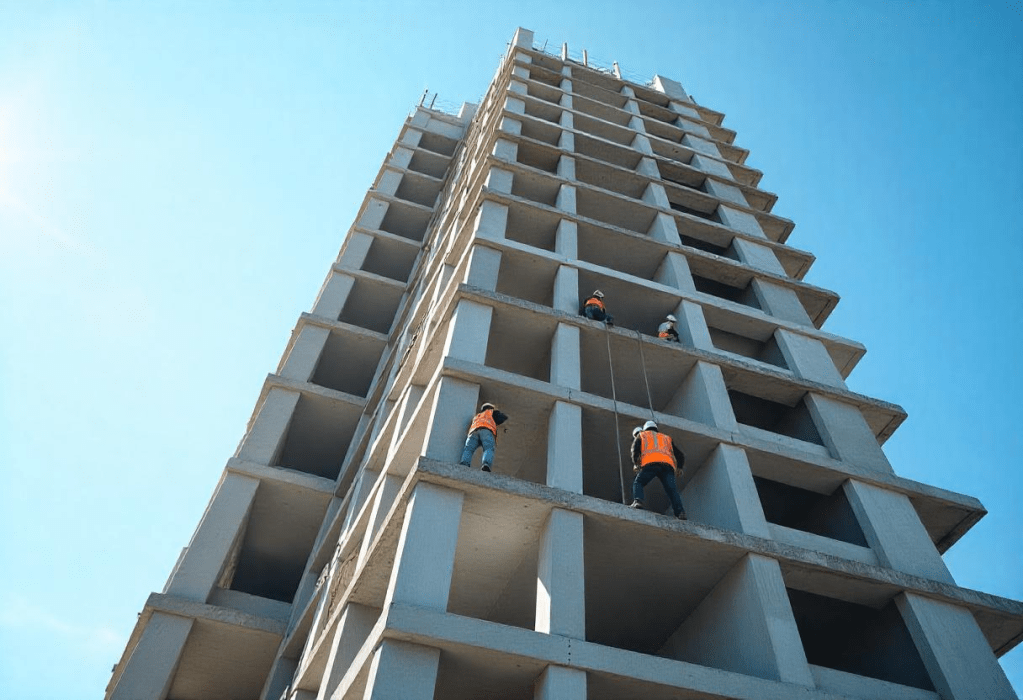
Performance based structural design is revolutionizing the architecture and construction industries. By focusing on how a building performs under various conditions, this approach offers advantages beyond traditional methods. Let’s take a closer look at some of the key benefits of using this innovative design technique.
Safety and Resilience in Extreme Conditions
One of the main advantages of this design approach is its ability to enhance safety. Rather than relying on generalized standards, performance based design tailors a building’s response to specific environmental factors, such as earthquakes, storms, or heavy loads. This leads to structures that are more resilient and can better protect occupants in the face of natural disasters.
Custom Solutions for Diverse Projects
Every building has its unique needs. Whether you’re designing a residential home or a commercial skyscraper, performance based design allows for a more customized approach. This flexibility enables architects to factor in local environmental conditions and building usage, resulting in more efficient and adaptable structures. Customization ensures that each building is designed to withstand specific challenges rather than relying on a one-size-fits-all solution.
Long-Term Savings and Efficiency
While the initial investment in performance based structural design can be higher due to detailed analysis and modeling, the long-term financial benefits often outweigh the upfront costs. These designs are optimized to handle various stresses, reducing the likelihood of costly repairs and maintenance down the road. Additionally, energy-efficient features designed through performance-based methods can help lower operational costs for buildings, leading to significant savings over time.
Environmental Impact Reduction
As sustainability becomes more of a focus in architecture, performance-based design also plays a role in reducing environmental impact. By optimizing a building’s energy consumption and minimizing material waste, it helps create more eco-friendly structures. Thermal simulations, for instance, can ensure better insulation and energy usage, which not only cuts costs but also helps meet environmental standards and reduce the building’s carbon footprint.
Meeting and Exceeding Regulations
With increasing pressure on buildings to meet stringent safety and sustainability regulations, performance-based design helps architects and engineers exceed these standards. It goes beyond simply meeting the minimum requirements, ensuring that the building performs well under various conditions and complies with both local and international building codes. This proactive approach streamlines the approval process and helps avoid delays.
Conclusion
Incorporating performance based structural design offers several benefits, from enhanced safety and resilience to cost savings and environmental sustainability. As this method continues to gain traction in the architecture world, it’s clear that buildings designed with performance in mind can provide long-term advantages for both the occupants and the environment.
If you want to explore how this innovative approach can improve your next project, visit Applied Science International today to learn more about performance-based design solutions.
 structural forensic engineering