How Can Modern Structural Engineering Improve Complex Building Projects?

Structural engineering has changed as buildings, materials, construction methods, and project requirements have become more demanding. Engineers today often need to assess existing structures, plan changes safely, manage unusual loads, and select practical systems that can be checked through detailed analysis. At the same time, digital tools are helping professionals handle design information more efficiently. Understanding how these approaches work together can help project teams make better decisions from the early planning stage through construction.

Why Does Structural Engineering Matter in Complex Projects?

A structural project is rarely limited to checking whether a beam or column can carry a load. Engineers may need to consider how a building behaves as a complete system, how existing components respond to changes, and what could happen when part of a structure is removed or modified. This is particularly important for renovation, redevelopment, additions, and projects involving unusual structural conditions.

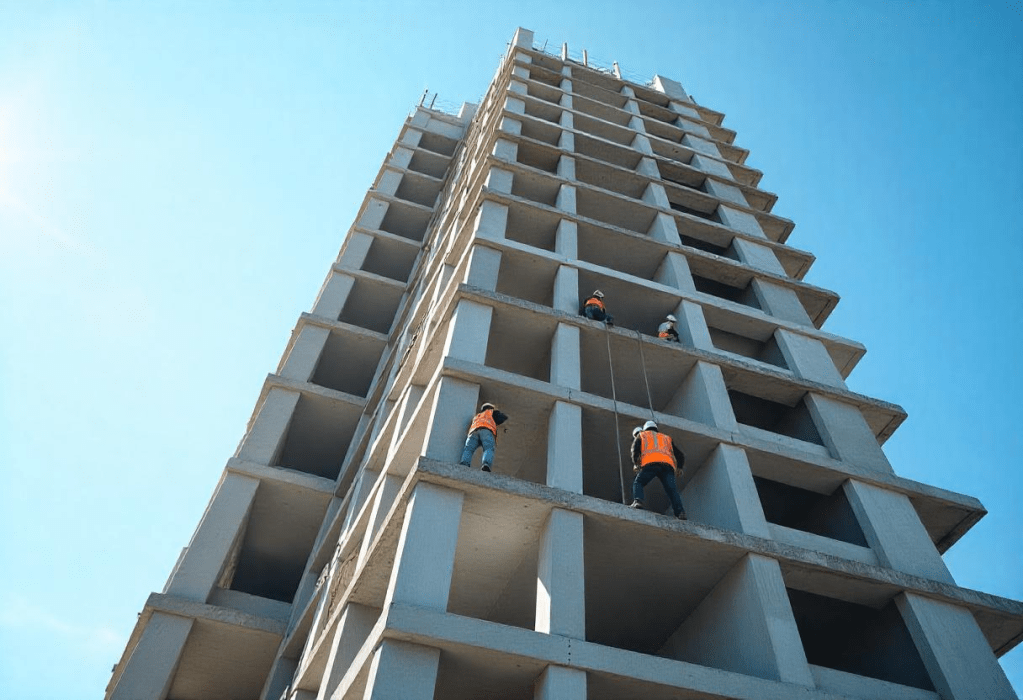
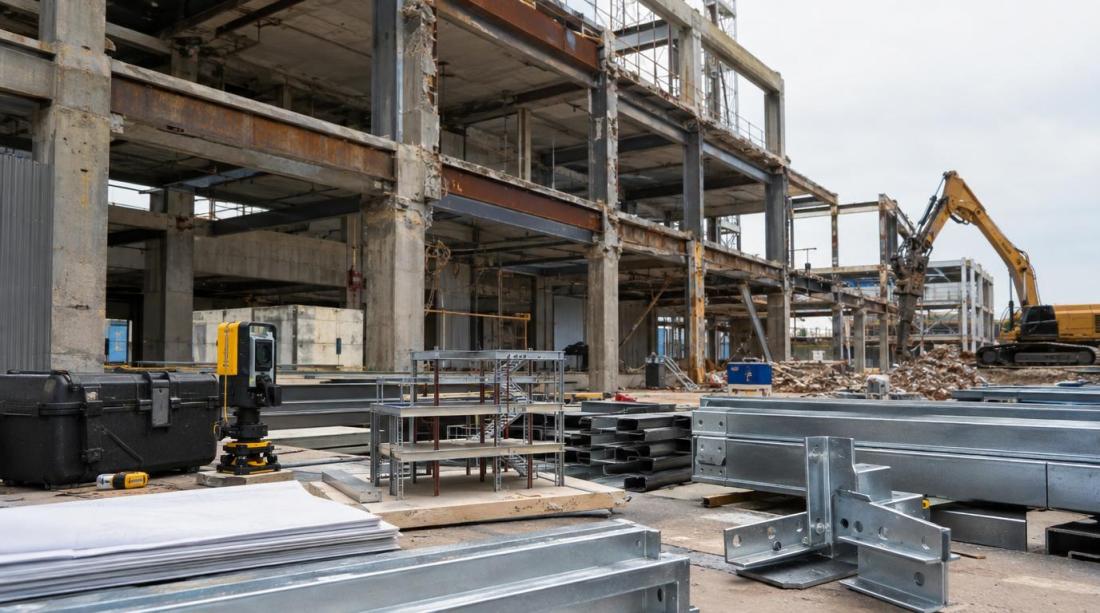
Demolition Engineering can play an important role when an existing building needs partial or complete removal. Instead of treating demolition as simply taking materials away, engineers consider the sequence of removal, temporary stability, surrounding structures, and changes in load paths. Careful planning can help reduce unexpected structural movement and provide contractors with clearer information before work begins.

When Is Performance-Based Structural Design Useful?

Traditional design methods often rely on established rules and prescriptive requirements. However, some projects have structural conditions that are difficult to address through standard approaches alone. Performance Based structural Design focuses on how a structure is expected to behave when exposed to specific conditions or demands.

This approach can be useful when engineers need to evaluate complex buildings, unusual layouts, challenging loads, or performance requirements that go beyond basic code checks. It allows the design team to focus on expected structural behavior while still considering applicable standards, safety requirements, and project objectives.

How Does Software Support Cold-Formed Steel Projects?

Cold-formed steel is used in many framing applications because its lightweight sections can provide practical options for walls, floors, roofs, and other structural components. However, engineers still need to check factors such as loads, deflection, buckling, connections, and member capacity.

Cold Formed Steel Software can assist with these calculations by allowing engineers to model members, review structural conditions, compare design options, and produce useful design information. The right software does not replace engineering judgment. Instead, it can help reduce repetitive calculations and make it easier to review different design scenarios.

What Should Engineers Consider Before Choosing a Design Approach?

Every project has different requirements. Engineers should consider the building type, existing conditions, loading, materials, applicable standards, construction sequence, and the level of analysis required. Clear communication between engineers, architects, contractors, and owners is also important because structural decisions can affect many parts of a project.

How Can Applied Science Support Modern Structural Engineering?

Applied Science is known for developing engineering software and solutions that help professionals work with complex structural and construction challenges. Their tools and technical resources support engineers who need practical ways to analyze, design, and understand structural systems.

They provide solutions that can help engineering teams approach demanding projects with better technical information and clearer design workflows. Visit Applied Science to see how their engineering solutions can support modern structural projects.

What is Performance-Based Design and Why It Matters in Structural Engineering?

Applied Science brings a complete approach to structural engineering by combining safety, strategy, and technology. Their work in Demolition Engineering ensures that older structures can be safely removed with careful planning and minimal disruption. They assess each site, consider surrounding conditions, and execute the process with expert control—helping prepare the way for smarter construction.

In addition, the team relies on powerful Structural Design Software to test ideas, simulate results, and fix potential issues before the building process begins. This digital approach saves time, reduces costs, and improves design accuracy. Whether working on a new build or a complex upgrade, Applied Science uses technology and experience to support safe and effective engineering. Read the full blog for more information. https://appliedscienceint.hashnode.dev/what-is-performance-based-design-and-why-it-matters-in-structural-engineering 

Why Performance Based Structural Design Is Key for Smart City Infrastructure

As cities evolve and grow smarter, the way we design and build them needs to keep up. Today’s urban environments are not just collections of buildings—they’re interconnected ecosystems that rely on technology, sustainability, and safety. To support this new era of living, the approach to structural engineering also needs to shift. That’s where Performance Based Structural Design steps in.

Building for How Cities Work, Not Just How They Look

Traditional structural design often follows a fixed set of rules, applying the same methods across different projects. While this has worked in the past, modern cities require more flexibility. Urban buildings now serve multiple purposes, support heavier loads, and are expected to perform during unexpected events like earthquakes or storms.

Instead of simply following standard codes, this new approach allows engineers to think about how a structure should behave under real-world conditions. That flexibility is perfect for smart cities, where infrastructure is expected to interact with technology, data systems, and evolving human needs.

Smarter Cities Need Smarter Safety

The rise of smart cities means we’re embedding sensors, real-time monitoring, and automated systems into public and private spaces. But these technologies are only as reliable as the physical structures they rely on. A smart grid or transit system can’t function properly if the buildings or bridges housing them aren’t safe or well-designed.

Performance Based Structural Design allows safety to be addressed from multiple angles—by simulating how a building will perform in the face of fire, wind, seismic forces, or unusual use. It’s not just about passing a checklist; it’s about predicting how something will behave when it counts the most.

Efficiency Without Cutting Corners

Another major concern for smart cities is efficiency. Faster construction timelines, budget limits, and sustainable materials are all in high demand. By focusing on how a structure is expected to perform, engineers can avoid overbuilding or wasting resources.

This method allows for more creative problem-solving. Engineers can weigh different materials, layouts, or building systems based on how they’ll function—not just on what the code says must be done. The result is infrastructure that’s more aligned with modern urban goals.

Planning for the Future, Not Just the Present

Cities aren’t static. They’re always expanding, shifting, and adapting to new technologies. This makes long-term planning a challenge. Engineers now need to think 10, 20, or even 50 years ahead. With Performance Based Structural Design, structures can be built with adaptability in mind—ready to handle changes in use, population density, or environmental demands.

Final Thoughts

As urban areas continue to transform into smart cities, performance-focused engineering will play a key role in shaping safe, adaptive, and future-ready infrastructure. If you’re exploring solutions that match this mindset, consider how Applied Science International applies Performance Based Structural Design to push cities forward. Learn more here.

Key Benefits of Implementing Performance-Based Structural Design in Architecture

Performance based structural design is revolutionizing the architecture and construction industries. By focusing on how a building performs under various conditions, this approach offers advantages beyond traditional methods. Let’s take a closer look at some of the key benefits of using this innovative design technique.

Safety and Resilience in Extreme Conditions

One of the main advantages of this design approach is its ability to enhance safety. Rather than relying on generalized standards, performance based design tailors a building’s response to specific environmental factors, such as earthquakes, storms, or heavy loads. This leads to structures that are more resilient and can better protect occupants in the face of natural disasters.

Custom Solutions for Diverse Projects

Every building has its unique needs. Whether you’re designing a residential home or a commercial skyscraper, performance based design allows for a more customized approach. This flexibility enables architects to factor in local environmental conditions and building usage, resulting in more efficient and adaptable structures. Customization ensures that each building is designed to withstand specific challenges rather than relying on a one-size-fits-all solution.

Long-Term Savings and Efficiency

While the initial investment in performance based structural design can be higher due to detailed analysis and modeling, the long-term financial benefits often outweigh the upfront costs. These designs are optimized to handle various stresses, reducing the likelihood of costly repairs and maintenance down the road. Additionally, energy-efficient features designed through performance-based methods can help lower operational costs for buildings, leading to significant savings over time.

Environmental Impact Reduction

As sustainability becomes more of a focus in architecture, performance-based design also plays a role in reducing environmental impact. By optimizing a building’s energy consumption and minimizing material waste, it helps create more eco-friendly structures. Thermal simulations, for instance, can ensure better insulation and energy usage, which not only cuts costs but also helps meet environmental standards and reduce the building’s carbon footprint.

Meeting and Exceeding Regulations

With increasing pressure on buildings to meet stringent safety and sustainability regulations, performance-based design helps architects and engineers exceed these standards. It goes beyond simply meeting the minimum requirements, ensuring that the building performs well under various conditions and complies with both local and international building codes. This proactive approach streamlines the approval process and helps avoid delays.

Conclusion

Incorporating performance based structural design offers several benefits, from enhanced safety and resilience to cost savings and environmental sustainability. As this method continues to gain traction in the architecture world, it’s clear that buildings designed with performance in mind can provide long-term advantages for both the occupants and the environment.

If you want to explore how this innovative approach can improve your next project, visit Applied Science International today to learn more about performance-based design solutions.