
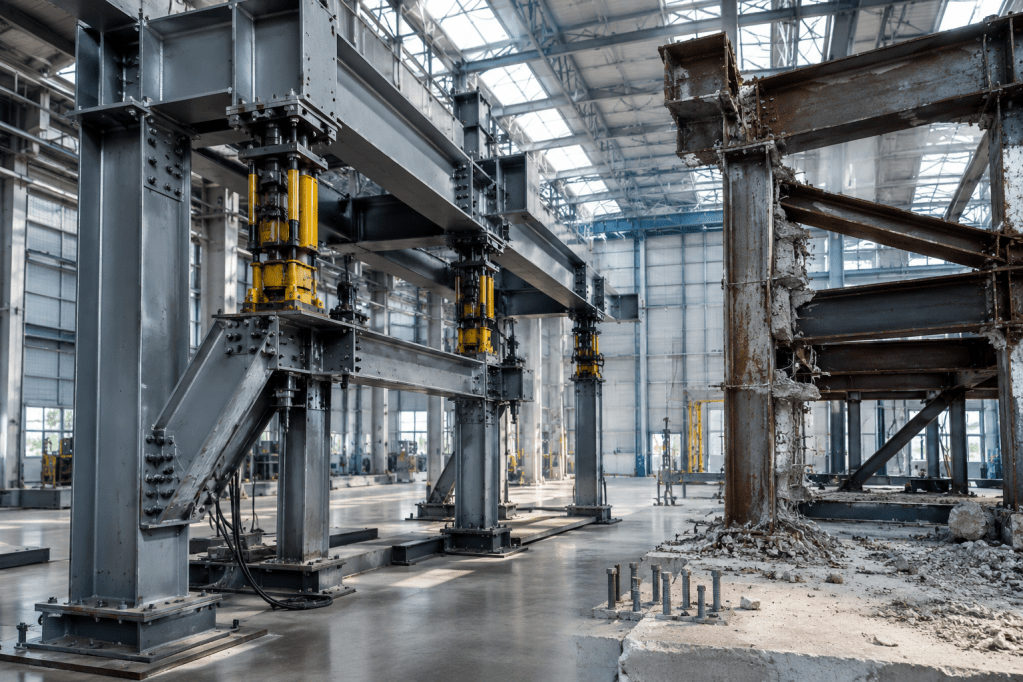
A single mistake in a building project can lead to costly delays, safety risks, and unexpected repairs. That is why predicting how a structure will perform before any construction or demolition work begins has become one of the most important parts of modern engineering. By understanding how a structure reacts to different forces and conditions, engineers can make smarter decisions and reduce risks long before work starts on-site.
Understanding Structural Performance Before Work Begins
Every structure is designed to carry loads, resist environmental conditions, and remain stable throughout its life. Before construction starts, engineers study how materials, connections, and design elements will behave under different situations. This process helps identify potential weaknesses and allows improvements to be made before any physical work takes place.
Advanced simulations and calculations provide valuable insights into how buildings, bridges, and industrial structures may respond to stress, movement, vibration, and changing load conditions. As a result, project teams can improve safety, efficiency, and overall project outcomes.
The Role of Technology in Predicting Structural Behavior
Modern engineering relies heavily on digital tools to evaluate structural performance. Using Structural Analysis Engineering Software, engineers can create detailed models that simulate real-world conditions. These models help predict how a structure may react during construction, daily operation, extreme weather events, or unexpected loading scenarios.
The ability to test different design options virtually saves both time and resources. It also allows engineers to identify issues early, reducing the likelihood of costly modifications during later project stages.
Learning From Existing Structures
Not every project starts with a brand-new design. Many engineering projects involve investigating structures that have experienced damage, deterioration, or failure. In such cases, Forensic Engineering Analysis helps engineers understand what happened and why.
By examining structural behavior, material performance, and failure patterns, engineers gain valuable information that can improve future designs. These findings support safer construction practices and help prevent similar issues from occurring in upcoming projects.
Planning Safe and Controlled Demolition
Predicting structural behavior is equally important when removing existing structures. Successful Demolition Planning requires a clear understanding of how a building will react as sections are removed or altered.
Engineers carefully evaluate load paths, structural stability, and potential risks before demolition begins. This preparation helps protect nearby properties, workers, and the surrounding environment while ensuring that demolition activities are carried out in a controlled and efficient manner.
Why Early Analysis Matters
Accurate structural predictions lead to better decision-making throughout a project’s lifecycle. Engineers can optimize designs, improve safety measures, reduce construction challenges, and minimize unexpected costs. Whether constructing a new facility, assessing an existing structure, or preparing for demolition, understanding structural behavior in advance provides a strong foundation for project success.
Conclusion
Predicting structural behavior before construction or demolition is essential for creating safer, more reliable, and cost-effective projects. Through advanced analysis, engineering expertise, and careful planning, potential challenges can be addressed before they become major problems.
At Applied Science, we provide innovative engineering solutions that help project teams analyze, evaluate, and optimize structural performance with confidence. Contact Applied Science today to discover how advanced engineering technology can support your next project and deliver safer, smarter results.

