
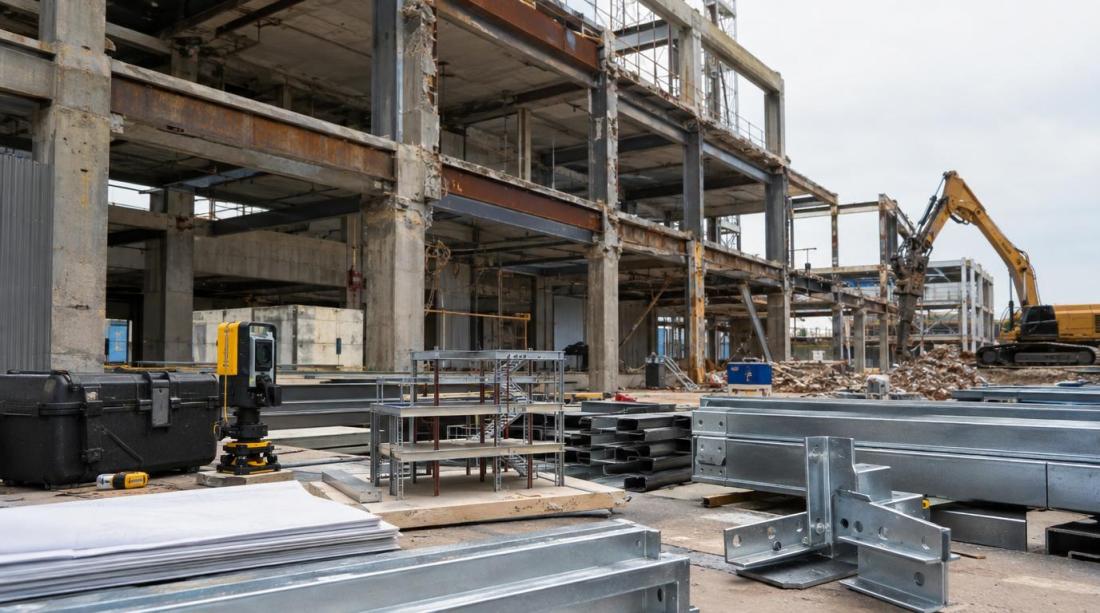
Structural engineering has changed as buildings, materials, construction methods, and project requirements have become more demanding. Engineers today often need to assess existing structures, plan changes safely, manage unusual loads, and select practical systems that can be checked through detailed analysis. At the same time, digital tools are helping professionals handle design information more efficiently. Understanding how these approaches work together can help project teams make better decisions from the early planning stage through construction.
Why Does Structural Engineering Matter in Complex Projects?
A structural project is rarely limited to checking whether a beam or column can carry a load. Engineers may need to consider how a building behaves as a complete system, how existing components respond to changes, and what could happen when part of a structure is removed or modified. This is particularly important for renovation, redevelopment, additions, and projects involving unusual structural conditions.
Demolition Engineering can play an important role when an existing building needs partial or complete removal. Instead of treating demolition as simply taking materials away, engineers consider the sequence of removal, temporary stability, surrounding structures, and changes in load paths. Careful planning can help reduce unexpected structural movement and provide contractors with clearer information before work begins.
When Is Performance-Based Structural Design Useful?
Traditional design methods often rely on established rules and prescriptive requirements. However, some projects have structural conditions that are difficult to address through standard approaches alone. Performance Based structural Design focuses on how a structure is expected to behave when exposed to specific conditions or demands.
This approach can be useful when engineers need to evaluate complex buildings, unusual layouts, challenging loads, or performance requirements that go beyond basic code checks. It allows the design team to focus on expected structural behavior while still considering applicable standards, safety requirements, and project objectives.
How Does Software Support Cold-Formed Steel Projects?
Cold-formed steel is used in many framing applications because its lightweight sections can provide practical options for walls, floors, roofs, and other structural components. However, engineers still need to check factors such as loads, deflection, buckling, connections, and member capacity.
Cold Formed Steel Software can assist with these calculations by allowing engineers to model members, review structural conditions, compare design options, and produce useful design information. The right software does not replace engineering judgment. Instead, it can help reduce repetitive calculations and make it easier to review different design scenarios.
What Should Engineers Consider Before Choosing a Design Approach?
Every project has different requirements. Engineers should consider the building type, existing conditions, loading, materials, applicable standards, construction sequence, and the level of analysis required. Clear communication between engineers, architects, contractors, and owners is also important because structural decisions can affect many parts of a project.
How Can Applied Science Support Modern Structural Engineering?
Applied Science is known for developing engineering software and solutions that help professionals work with complex structural and construction challenges. Their tools and technical resources support engineers who need practical ways to analyze, design, and understand structural systems.
They provide solutions that can help engineering teams approach demanding projects with better technical information and clearer design workflows. Visit Applied Science to see how their engineering solutions can support modern structural projects.

