Construction work has improved greatly with digital tools that support safe planning and smart decisions. Many teams now use software to study project conditions before any work begins. With Demolition Analysis, engineers can view possible risks on the screen and prepare safer steps for controlled removal.
Steel structure planning also becomes easier with digital programs. Builders often depend on Cold Formed Steel Software to design clean steel layouts that match project needs. This reduces errors, saves time, and helps teams focus on quality work without confusion.
There comes a moment in engineering when old methods just are not enough. Buildings today are bigger, heavier, and more detailed. Bringing them down safely takes careful study, not guesswork. This is where modern simulation has changed how we plan, test, and control demolition for challenging structures.
Smarter Methods for Safe Demolition
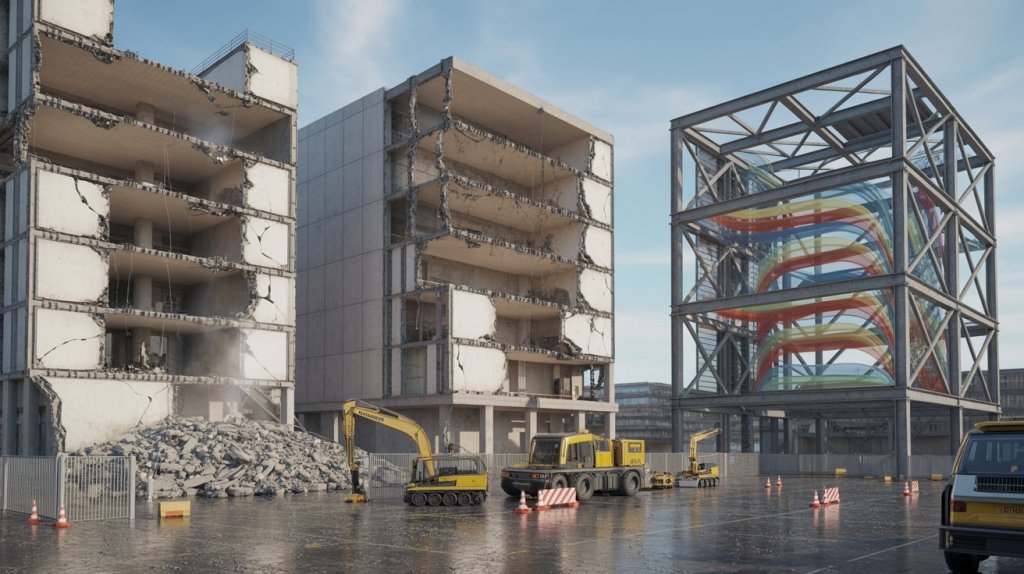
In earlier years, engineers depended mostly on experience and manual planning. But modern structures need a deeper look before any action takes place. That is why we use Demolition Engineering supported by digital models. We can test collapse patterns, predict risks, and prepare every step before a single wall comes down. This gives us confidence and helps avoid surprises during real demolition work.
Better Planning with Real Behavior Data
Old design standards focused only on minimum safety codes, but now we work based on how a building truly behaves under stress. With Performance Based Structural Design, we study every response—whether it is from a blast, earthquake, or controlled failure. Instead of using only fixed values, we plan based on behavior. This gives us control, safety, and clear understanding from start to end.
Technology that Supports Every Decision
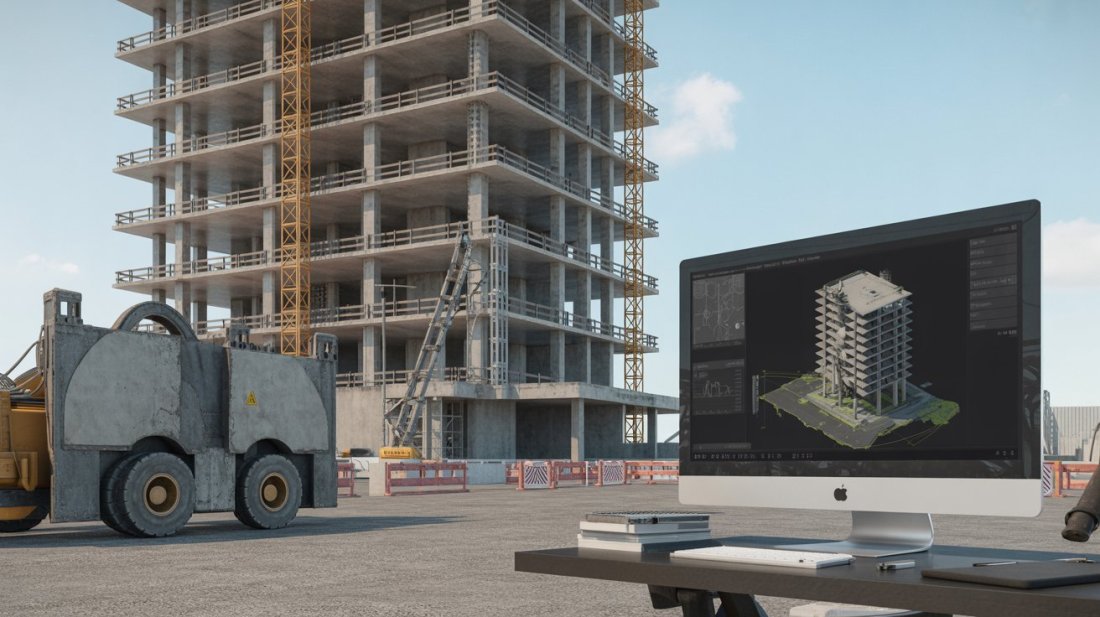
Advanced software has completely changed the way we study structures. Using Structural Analysis Engineering Software, we can model a building in digital form before touching the real one. These tools show stress points, load paths, and failure sequences with high accuracy. That lets us pick the safest method, the right timing, and the best outcome. It also saves time and avoids mistakes that once caused cost and safety issues.
The Real Value of Simulation
These changes are not only for convenience—they protect life and property. They help us remove buildings in a controlled way without risk to workers or the surroundings. We also save useful materials, make better decisions, and reduce project delays. What used to depend on guesswork is now guided by proof and repeatable science.
Conclusion
Modern engineering demands clear logic, planning, and technology that supports every step. At Applied Science, we stand at the front of this change by using simulation and strong engineering methods for both construction and demolition. Our approach gives better safety, better control, and better results for every structure we handle.
Want safe planning for your next project? Talk to Applied Science today and let us guide your demolition or design work with care and expertise.
Before a demolition begins, a Demolition Engineer uses simulation software to plan and study how a building will react once explosives are placed. This digital testing helps predict possible issues and ensures the building falls as planned. It’s a smart way to make the demolition process safer and well-organized.
Protective Design Services also play a major role in ensuring safety. They help engineers design strong barriers and secure zones around the demolition site. With this support, teams can protect nearby areas and follow safety standards with care and accuracy.
Demolition work is not about destruction — it’s about safe and planned removal. Engineers start with Demolition Planning, which helps them decide how, when, and where to bring a building down. Each stage is planned with care to protect people, equipment, and nearby structures.
Before the work begins, Forensic Structural Engineering helps experts find the cause of cracks, damage, or weak spots in the building. This knowledge allows them to handle the demolition safely and learn from older structures. It also supports better decisions for future designs.
Engineering is all about solving problems and making structures safe and strong. Today, new technology is helping engineers work faster and smarter. Advanced software tools are becoming essential for modern projects. Among these, structural analysis software is changing the way engineers design, check, and manage construction and demolition projects.
Making Demolition Engineering Safer
Demolition engineering is a tricky job. Every building has its own strengths and weaknesses, and taking it down safely can be difficult. Advanced software lets engineers create digital models of structures and test how they will behave during demolition. This helps us see potential risks and plan the process carefully. Using these tools makes demolition safer for workers and the surrounding area while saving time and reducing mistakes.
Supporting Structural Forensic Engineering
When a structure fails, understanding why is very important. Structural forensic engineering studies these failures to prevent them in the future. Software helps engineers simulate stress and load on buildings and materials. This allows us to find weak spots, spot design issues, and give advice to improve safety. With these insights, engineers can provide better reports and make buildings safer for everyone.
Working with Structural Analysis Engineering Software
Structural analysis engineering software helps engineers design and test structures on a computer. We can check how a building will react to earthquakes, strong winds, or other pressures before it is built. This reduces mistakes, saves time, and helps us make better decisions. Testing designs digitally also makes projects more efficient and reduces costs.
Conclusion
At Applied Science, we provide engineers with tools to handle demolition engineering, structural forensic engineering, and structural analysis engineering software. Our goal is to make engineering work safer, faster, and easier. Check out Applied Science today to see how our tools can help your projects succeed. Work with us for smarter engineering solutions and more accurate results.
In the ever-evolving world of civil and structural engineering, precision, safety, and innovation are paramount. Three critical components—Demolition Analysis, Forensic Structural Engineering, and Structural Design Software—are transforming how engineers approach both new builds and existing structures.
Demolition Analysis: Planning Safe and Efficient Deconstruction
Demolition is more than just tearing down buildings; it’s a science that demands accuracy and foresight. Demolition Analysis involves the strategic planning and modeling of how a structure should be dismantled. This analysis ensures that demolition activities do not compromise surrounding buildings, infrastructure, or the environment.
Using advanced modeling tools, engineers simulate different demolition scenarios to predict the structural behavior during deconstruction. Proper Demolition Analysis minimizes risks, controls debris impact, and reduces project costs by optimizing resource use and scheduling.
Forensic Structural Engineering: Investigating Failures and Preventing Future Risks
When structures fail or show signs of distress, Forensic Structural Engineering steps in. This specialized discipline focuses on determining the root causes of structural issues, whether due to design flaws, material defects, natural disasters, or human error.
Forensic Structural Engineering combines engineering principles with investigative techniques to uncover how and why a failure occurred. The findings not only support legal and insurance claims but also lead to design improvements, ensuring future structures are safer and more resilient.
Structural Design Software: The Backbone of Modern Engineering
In today’s fast-paced construction industry, precision is everything. Structural Design Software has become an indispensable tool for engineers, enabling them to model, test, and refine structures virtually before physical construction begins.
These software solutions enhance productivity by automating calculations, detecting errors early in the design phase, and allowing seamless collaboration between teams. Whether it’s for designing new buildings or evaluating old ones, Structural Design Software helps engineers adhere to codes, optimize material use, and improve overall project efficiency.
Conclusion
The integration of Demolition Analysis, Forensic Structural Engineering, and Structural Design Software is reshaping how we approach the built environment. From understanding failures to planning complex demolitions and designing the structures of tomorrow, these tools and techniques are key to safer, smarter engineering practices. As the industry continues to advance, embracing these innovations will be crucial for engineers and developers committed to quality and sustainability.
In today’s modern construction industry, safety, precision, and innovation are essential. With the growing complexity of structures, combining Demolition Engineering, Demolition Analysis, and Protective Design Software has become crucial for delivering efficient and safe solutions. Engineers and contractors now rely on advanced simulation tools to plan controlled demolitions, analyze structural behavior, and design resilient buildings.
Demolition Engineering ensures the safe removal of structures through carefully designed plans, minimizing risks and protecting surrounding areas. At the same time, Demolition Analysis uses advanced modeling techniques to predict how buildings will react under different conditions, allowing professionals to plan every step with accuracy and confidence. Meanwhile, Protective Design Software empowers engineers to design structures that can withstand extreme events like blasts, natural disasters, or progressive collapses.
By integrating these technologies, professionals can achieve safer, cost-effective, and more sustainable engineering solutions. For cutting-edge tools and expert solutions, trust Applied Science International to deliver unmatched innovation and precision in every project.
In today’s rapidly evolving construction landscape, the safety and integrity of structures are more important than ever. Behind every successful project lies the expertise of specialized engineers who ensure that buildings are not only functional but also safe, resilient, and sustainable. From dismantling old structures to designing new-age skyscrapers, different engineering disciplines work together to shape our built environment.
Precision and Planning in Structural Removal
Before any new construction can begin, existing structures often need to be cleared with precision and care. This is where a Demolition Engineer plays a critical role. These professionals don’t just tear things down—they use detailed structural analysis and planning to ensure that buildings are demolished safely and efficiently, minimizing risk to surrounding areas. With urban spaces becoming denser, their expertise has become indispensable for city redevelopment projects.
Designing for Real-World Challenges
Traditional structural design methods often assume ideal conditions, but real-world environments are far from perfect. That’s why modern engineers increasingly rely on Performance Based Structural Design. This approach focuses on how a structure will actually perform during events like earthquakes, fires, or heavy winds, rather than just meeting code requirements. It allows for more flexibility in materials and design, while prioritizing the safety and functionality of the building under extreme conditions.
Investigating the Cause Behind Failures
Not all structural failures are immediately visible. When something goes wrong—whether it’s a minor crack or a major collapse—engineers step in to find out why. This is the realm of Structural Forensic Engineering, a field that investigates building failures to uncover the root causes. These investigations are crucial not only for resolving current issues but also for preventing similar failures in future projects. The findings often lead to improved safety standards and innovations in building practices.
Conclusion
From safe demolition to forward-thinking design and forensic analysis, engineering continues to evolve to meet the demands of modern construction. Each specialized role contributes uniquely to the lifecycle of a structure, ensuring that our cities remain safe, efficient, and sustainable. Whether you’re building from the ground up or analyzing the past to build a better future, the work of these engineers is the foundation upon which our urban environments stand.
Modern technology has changed how structural engineers approach risky demolition projects. One important advancement is the use of protective design software, which helps simulate how a building will respond to demolition activities. Engineers can test various methods before actual work starts, which reduces risk and protects nearby structures from damage caused by vibrations or falling debris. It makes the job safer and smarter.
Another important part of demolition is learning from the past. This is where forensic engineering analysis plays a major role. When something goes wrong with a structure or an unexpected failure occurs, engineers study the cause in detail. This helps improve future planning and avoids repeating the same mistakes. Together, technology and experience ensure every step of demolition is controlled and safe. Read the full blog for more information. https://appliedscienceint.blogspot.com/2025/08/how-structural-engineers-plan-complex.html
Have you ever thought about how much time, money, and safety risks could be saved if we could see how a building reacts before we even build it? With today’s advanced technology, that’s no longer just a thought—it’s reality. At Applied Science, we use cutting-edge tools to simulate how buildings respond to pressure, demolition, or disasters. This helps engineers, builders, and owners make smart decisions before any real work begins.
Testing Before Tearing Down
Demolition isn’t just about bringing down a building—it’s about doing it safely and smartly. Through demolition analysis, we study how a structure will fall, what areas are most at risk, and how to control the collapse. This helps reduce damage to nearby buildings and keeps everyone safe on site. With our simulations, you can plan demolition projects with confidence and accuracy.
Designing for Protection
Safety starts long before construction begins. Through our protective design services, we help build stronger structures that can stand up to natural disasters, blasts, or other threats. Whether it’s a public space or a private building, we simulate different scenarios to see how the structure will respond. Then, we improve the design to reduce damage and protect lives. This process not only saves costs later but also builds trust in the design.
Learning from the Past
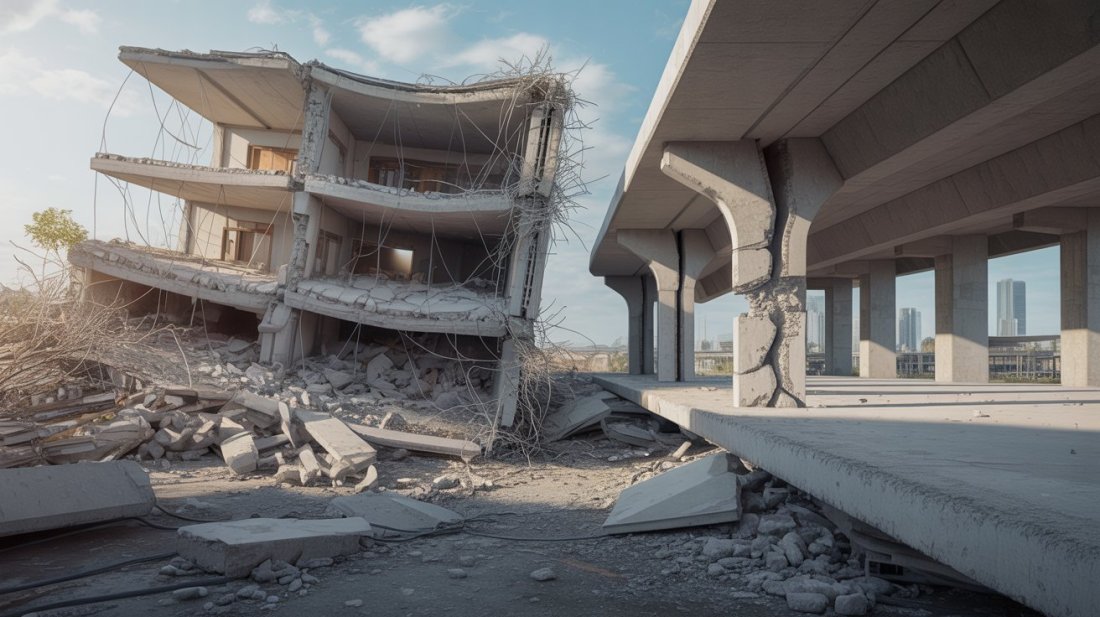
Every building collapse tells a story, and we help uncover it through structural forensic engineering. This service looks at why and how a structure failed, using data and models to recreate the incident. These findings are important for insurance, legal cases, and improving future designs. It’s like being a detective for buildings—understanding past mistakes to make future projects safer and smarter.
See the Future, Build Better
Being able to test designs before building gives a clear advantage. It lets us fix problems early, avoid expensive changes later, and keep people safe. At Applied Science, we combine engineering skills with powerful simulation tools to give our clients peace of mind. You don’t have to guess what might happen—we show it to you before anything is built or destroyed.
Conclusion
At Applied Science, we believe in making smarter choices before construction even starts. Whether you’re planning a teardown, designing for safety, or learning from a past failure, our team helps you do it better and safer.
Let’s talk about your next project—contact Applied Science today and see how we can bring your vision to life before the first brick is laid.



 structural forensic engineering